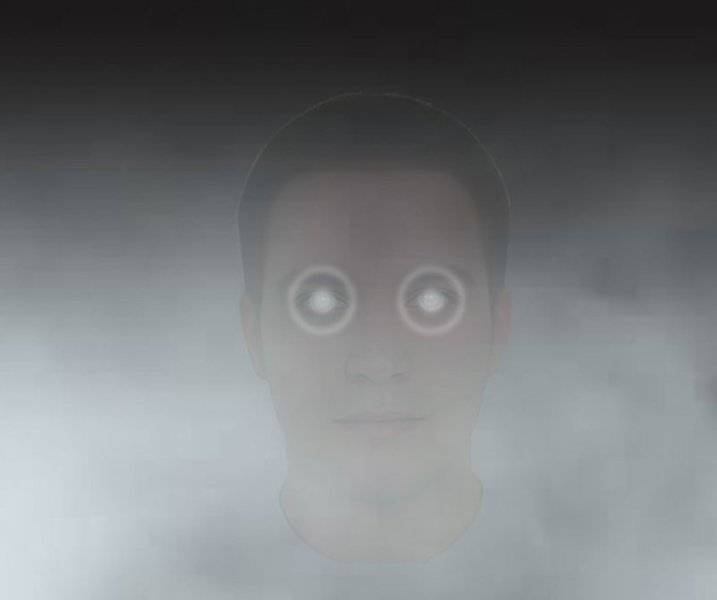
At night, a bright, localised source will form a point image on the retina that is intense. In human eyes, this intense spot will be bright red (blood colour) and the eye lens will focus this image at 'infinity' in the direction of the original source (reciprocal optics). That accounts for RedEye from flash photographs when the flash gun is near the camera axis and can be reduced by having the flashgun off axis. (Bad shadows can result from this so you can't win)
Cats use the reflective layer behind the light sensitive cells to make the light pass back through them, which will double the received signal and both increase the light level back at the source and lose the red colour. I can't find a diagram of the details of the reflective layer but you are implying that, behind each cell there is a curved reflector which provides a bigger gathering area than the cell itself. That's smart! I guess it may affect the cell spacing and hence, the resolving power of a cat's eye. But, hell, they don't need to read an eye test chart to spot prey within catching distance.