Science Advisor
Homework Helper
- 3,447
- 3,752
Nebraska bird/critter pics round 1. Taken a few weeks ago on a trip to eastern Nebraska.
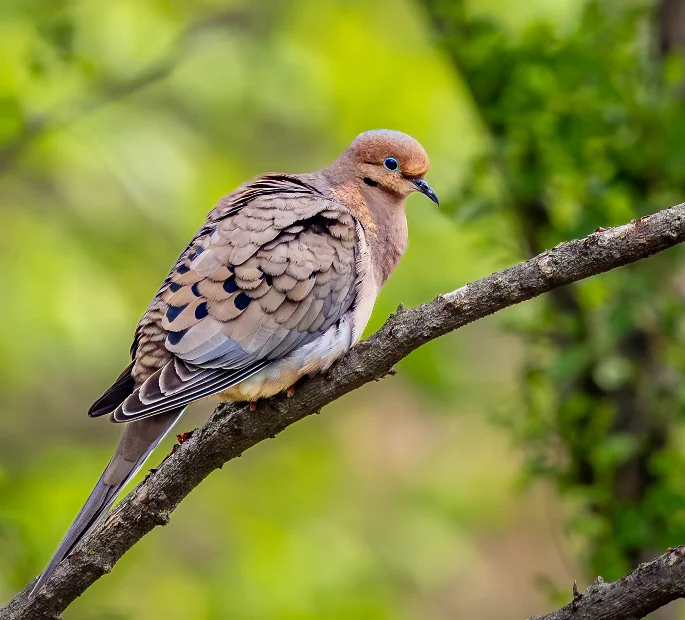
Figure 1. Mourning dove (Zenaida macroura)
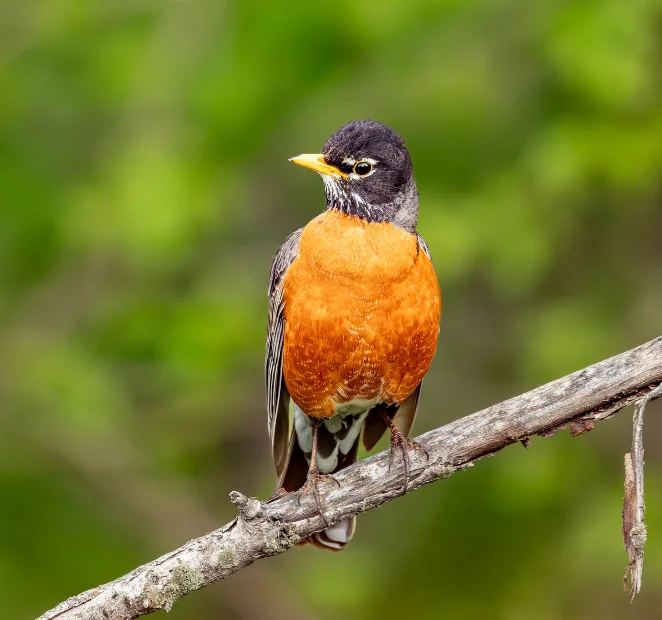
Figure 2. American robin (Turdus migratorius).
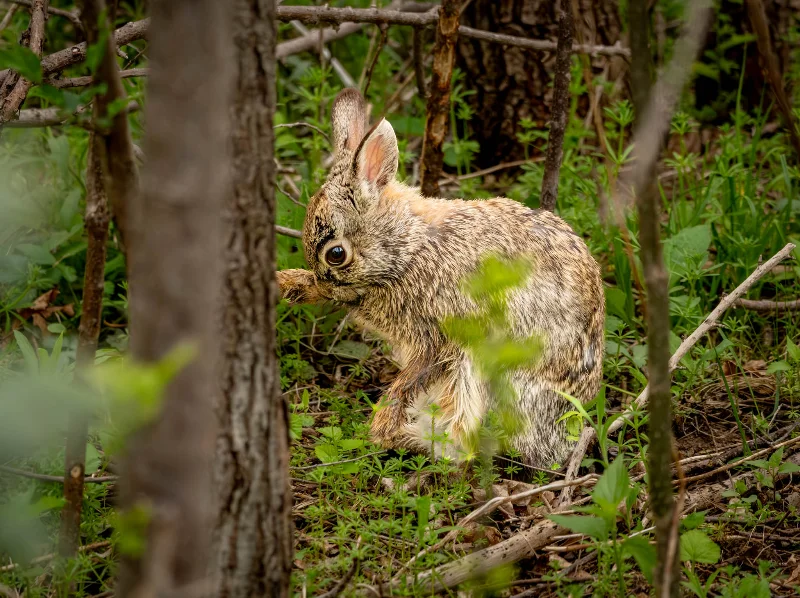
Figure 3. Eastern cottontail (Sylvilagus floridanus).
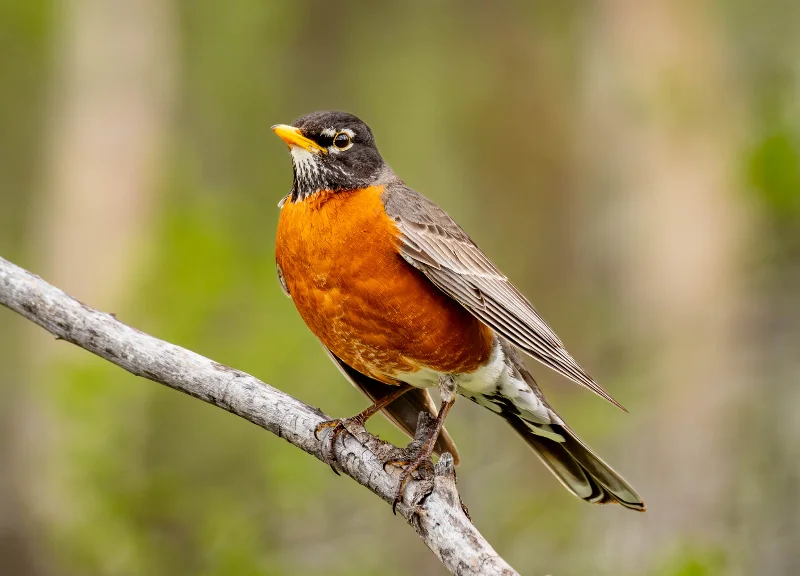
Figure 4. American robin (Turdus migratorius).
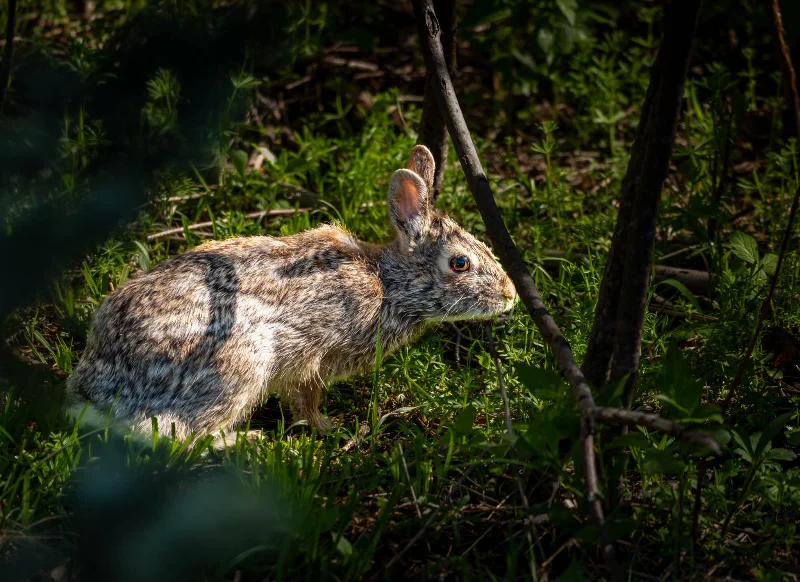
Figure 5. Eastern cottontail (Sylvilagus floridanus).
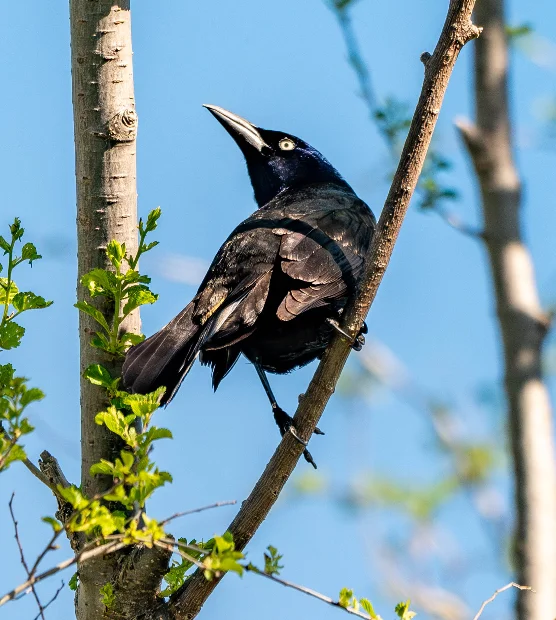
Figure 6. Common grackle (Quiscalus quiscula)
Most of the time, in most lighting situations, grackles look pretty black. It's easy to confuse them with crows or blackbirds. It wasn't until I got the photos back on my computer that I could tell they were grackles and not some other kind of bird.
Sometimes though, in certain lighting, their iridescent looking feathers really show their colors (see some of my other pics of grackles).
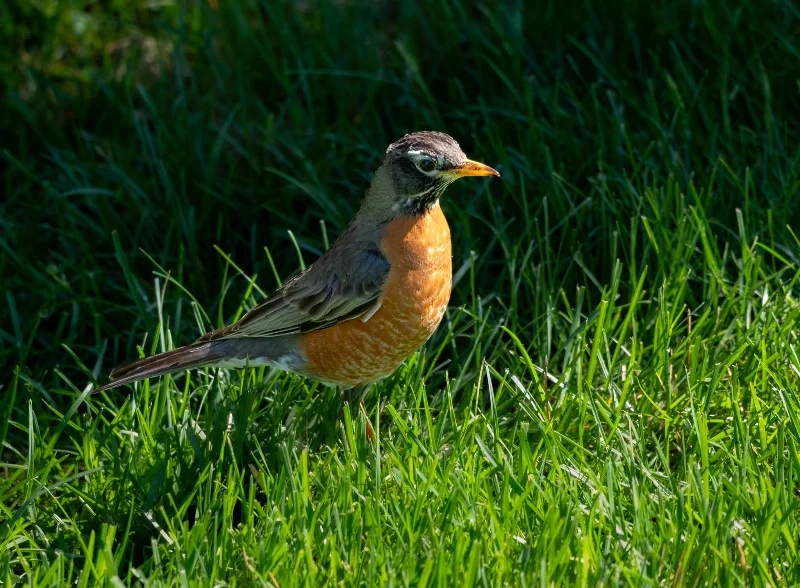
Figure 7. American robin (Turdus migratorius).
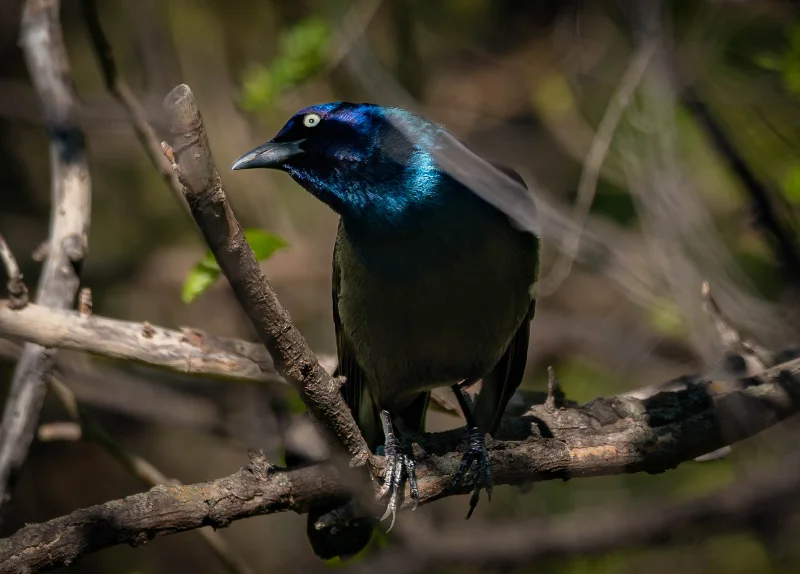
Figure 8. Common grackle (Quiscalus quiscula).
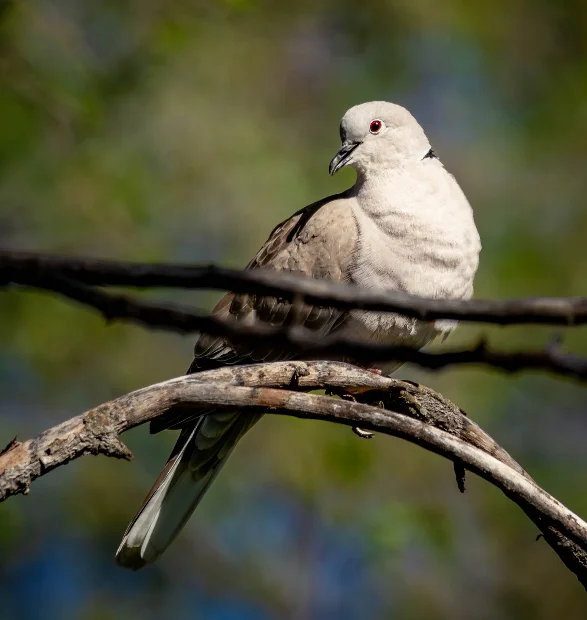
Figure 9. Eurasian collared dove (Streptopelia decaocto), I think.
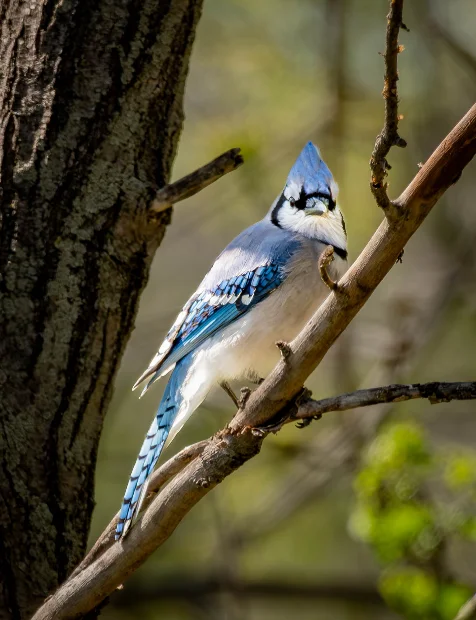
Figure 10. Blue jay (Cyanocitta cristata).
To be continued. ...
Figure 1. Mourning dove (Zenaida macroura)
Figure 2. American robin (Turdus migratorius).
Figure 3. Eastern cottontail (Sylvilagus floridanus).
Figure 4. American robin (Turdus migratorius).
Figure 5. Eastern cottontail (Sylvilagus floridanus).
Figure 6. Common grackle (Quiscalus quiscula)
Most of the time, in most lighting situations, grackles look pretty black. It's easy to confuse them with crows or blackbirds. It wasn't until I got the photos back on my computer that I could tell they were grackles and not some other kind of bird.
Sometimes though, in certain lighting, their iridescent looking feathers really show their colors (see some of my other pics of grackles).
Figure 7. American robin (Turdus migratorius).
Figure 8. Common grackle (Quiscalus quiscula).
Figure 9. Eurasian collared dove (Streptopelia decaocto), I think.
Figure 10. Blue jay (Cyanocitta cristata).
To be continued. ...


 This will haunt me for the next several pics. The mistake effectively increases the noise while also increasing the depth of field, neither of which I want. I didn't notice the mistake for awhile.
 ) will agree with.