Discussion Overview
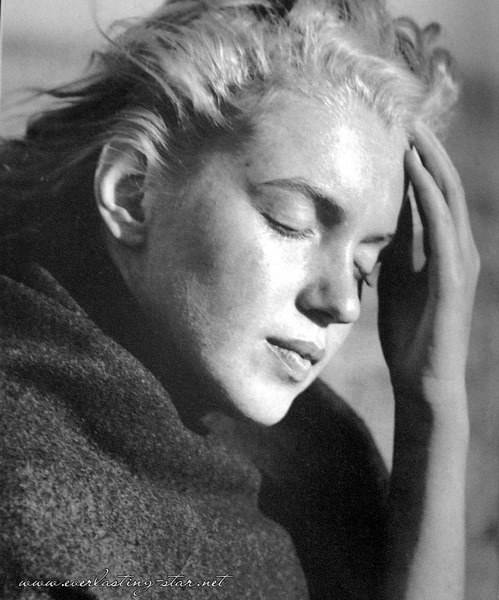
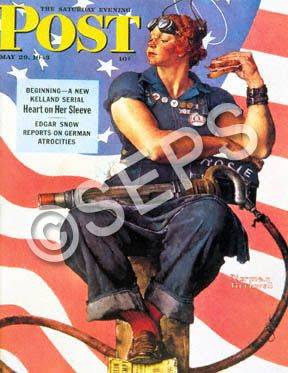
The discussion centers around a comparison of two iconic figures, Rosie the Riveter and Norma Jeane Baker (Marilyn Monroe), exploring their cultural significance and the qualities that make them "cool." The scope includes aspects of feminism, societal roles, and the representation of women in the workforce and sexuality.
Discussion Character
- Debate/contested
- Conceptual clarification
Main Points Raised
- Some participants argue that Rosie the Riveter symbolizes women's capability to perform traditionally male roles during wartime, representing strength and industrial liberation.
- Others propose that Norma Jeane Baker embodies female sexuality and femininity, suggesting she represents a different kind of empowerment through sexual liberation.
- One participant suggests that both figures represent different aspects of women's struggles for pride and identity in 20th century America.
- There is a discussion about the implications of calling Marilyn Monroe the "sexiest" woman and how this contrasts with the more masculine image of Rosie.
- Some participants note that Marilyn Monroe also worked in a factory during the war, which complicates her categorization as solely a symbol of femininity.
- One participant expresses surprise at Marilyn's origins in modeling, indicating a belief that her entry into the industry was accidental rather than a lifelong ambition.
Areas of Agreement / Disagreement
Participants express differing views on what qualities define "coolness" in these figures, with no consensus reached on which figure is superior or more representative of women's empowerment.
Contextual Notes
Some statements reflect personal interpretations of the figures' significance, and there are unresolved questions regarding the definitions of femininity and masculinity in the context of their representations.
 [/URL]