Share Animal Pictures: For Animal Lovers
- Thread starter micromass
- Start date
-
- Tags
- Animal
Join the discussion
Registration is free. Ask a follow-up in this thread, or start your own.
3,073 replies · 329K views
Physics news on Phys.org
DennisN
Gold Member
- 2,197
- 10,329
Very impressive engineering!BillTre said:A nice bio-engineering accomplishment.
Bird like perching feet on a drone:

I think bats are fascinating animals.BillTre said:Bat moms can carry babies weighing up to 40% of their weight:
DennisN
Gold Member
- 2,197
- 10,329
I wasn't sure where to post this, but I decided to post it in this "Animal lovers" thread.
I saw an ad today on facebook for this very fun product (predator socks; crocodile, shark etc).
I think they are hilarious.
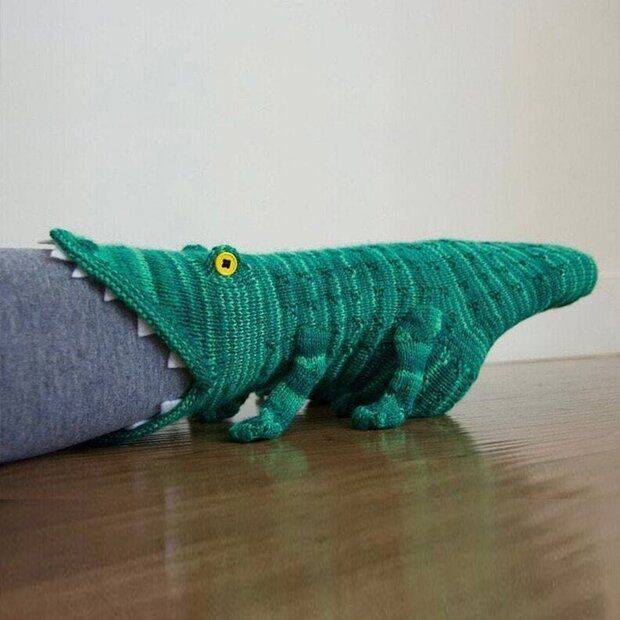
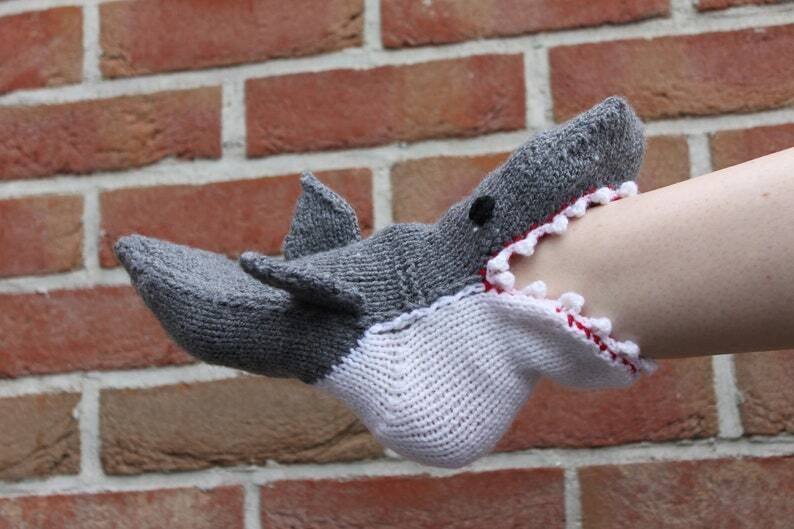
Link: https://www.beautyshoeess.com/products/knit-crocodile-socks
I saw an ad today on facebook for this very fun product (predator socks; crocodile, shark etc).
I think they are hilarious.
Link: https://www.beautyshoeess.com/products/knit-crocodile-socks
Science Advisor
Gold Member
- 2,856
- 12,709
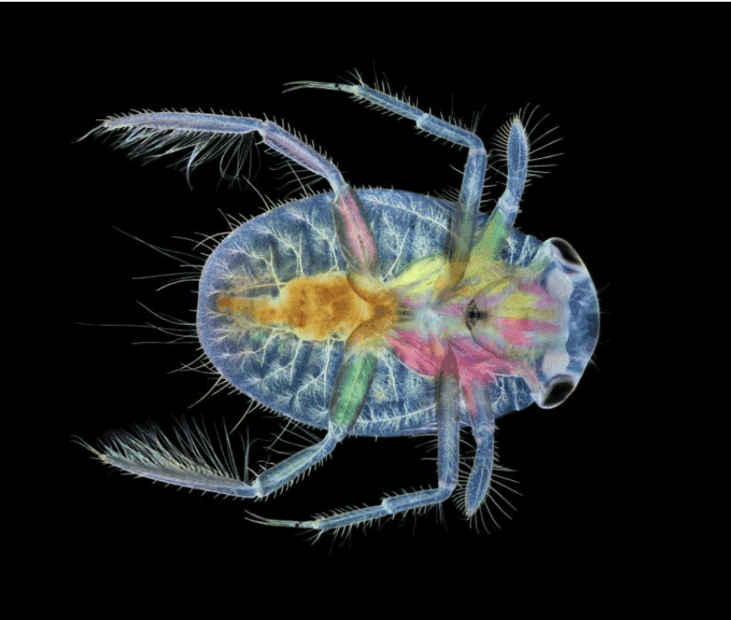
This image shows the ventral view of an immature water boatman. It was captured using a combination of darkfield, polarized light and image stacking. Captured by retired local government officer and microscope hobbyist Anne Algar, this image clearly shows varying length of hairs on the legs and body as well as internal organs.
Keith_McClary
- 752
- 1,507
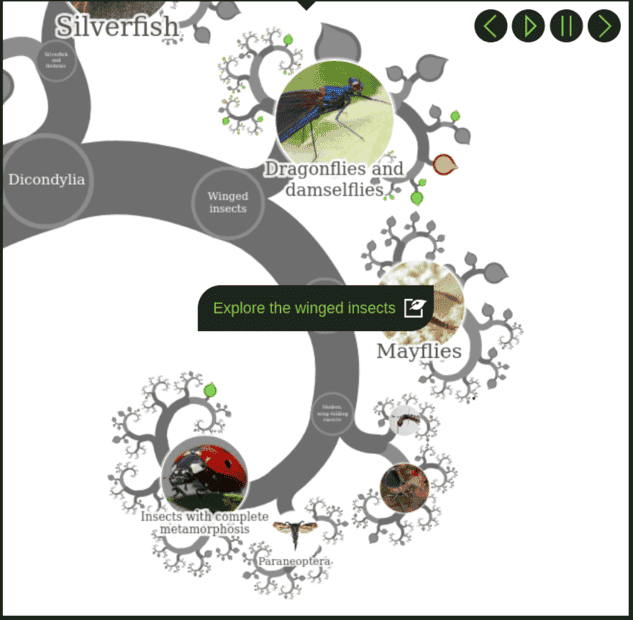
OneZoom tree of life explorer...
An interactive map of the evolutionary links between all living things known to science. Discover your favourites, see which species are under threat, and be amazed by the diversity of life on earth.
An interactive map of the evolutionary links between all living things known to science. Discover your favourites, see which species are under threat, and be amazed by the diversity of life on earth.
Last edited by a moderator:
Admin
- 69,784
- 25,632
https://www.cnn.com/travel/article/...life-photographer-south-africa-spc/index.html
(CNN) — If you were to ask a photographer the recipe for the perfect shot, you'll likely get a list of ingredients that include time of day, lighting, framing and a dash of luck. South African wildlife photographer Skye Meaker sees things differently.
"For me, the perfect shot is one where I feel as if I'm not really there. It's one where the animal is comfortable enough to behave as if I'm not there," says Meaker. "I like to feel immersed in the moment and capture nature at its most natural."
DennisN
Gold Member
- 2,197
- 10,329
Sounds very cool, but I can't access the site at the moment (I get an "502 bad gateway" page in my browser).Keith_McClary said:OneZoom tree of life explorer...
An interactive map of the evolutionary links between all living things known to science. Discover your favourites, see which species are under threat, and be amazed by the diversity of life on earth.
Maybe the site will work later, though.
DennisN
Gold Member
- 2,197
- 10,329
Stunning photos! The crocodile photo is awesome, very cool.berkeman said:
I also saw on the page that he probably uses a quite expensive lens. I think it's this one (or perhaps the upgraded version of it).
It also reminds me that I saw some amazing animal photos on Flickr a couple of days ago.
I'll see if I can find them again and if so, I'll post them here later.
DennisN
Gold Member
- 2,197
- 10,329
I found them (many flickr users seem to disable hotlinking, so I add the links to the photos below):DennisN said:It also reminds me that I saw some amazing animal photos on Flickr a couple of days ago.
I'll see if I can find them again and if so, I'll post them here later.
A very cool photo of a frog (link)
Another cool frog (link)
Squirrel (link)
European crested tit (link)
Northern Shoveler (flying) (link)
Long Eared Owl (flying) (link)
Cheetah at full speed (link)
Purplish Copper Butterfly (link)
DennisN
Gold Member
- 2,197
- 10,329
Two western jackdaws photographed today...
(not as sharp as I'd like them to be, but wild animals are wild, and manual lenses are manual)
Bird 1: Thirsty?
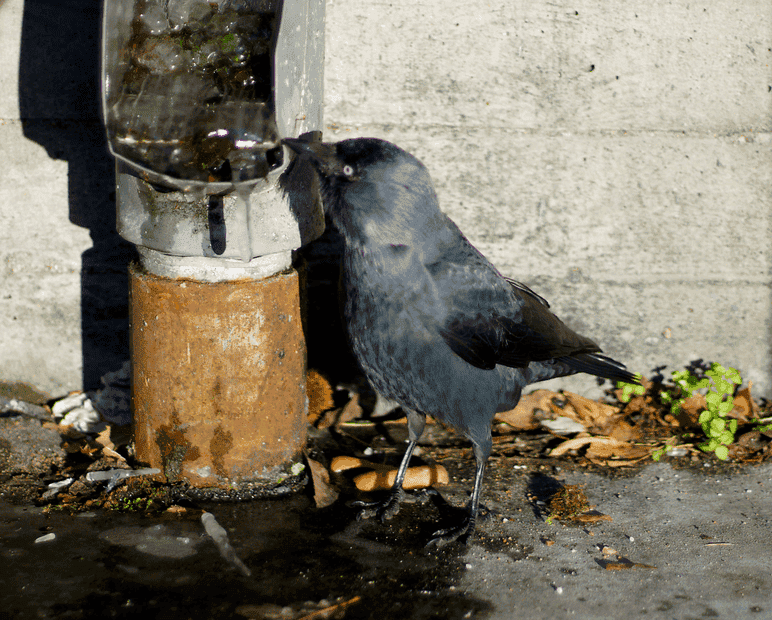
Yes, very thirsty...
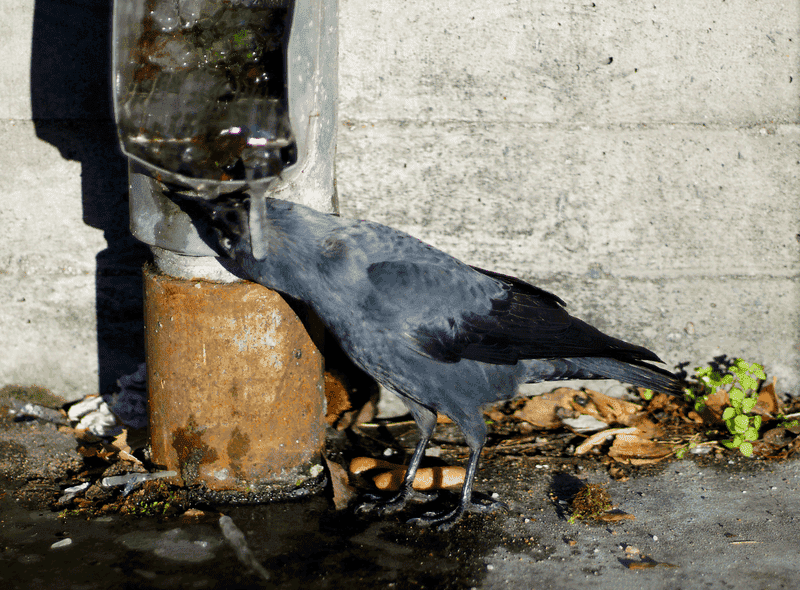
...and curious:
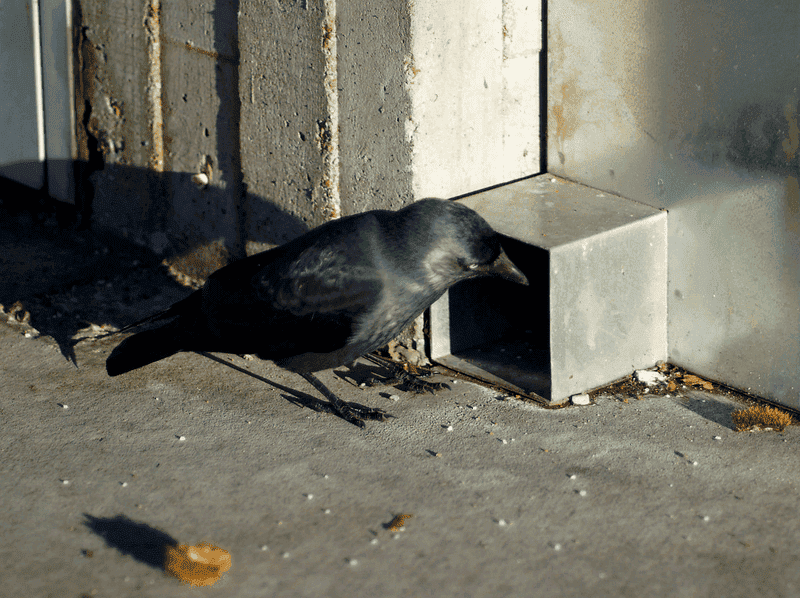
Bird 2: A very handsome bird.
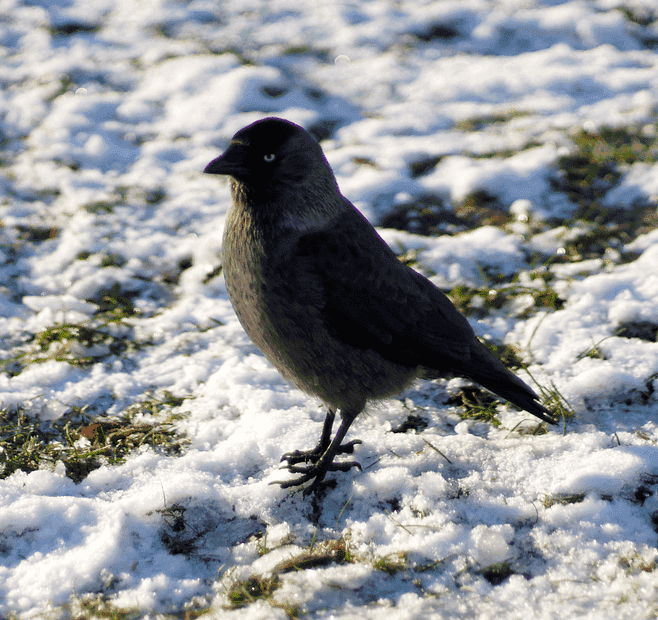
Yes, very handsome.
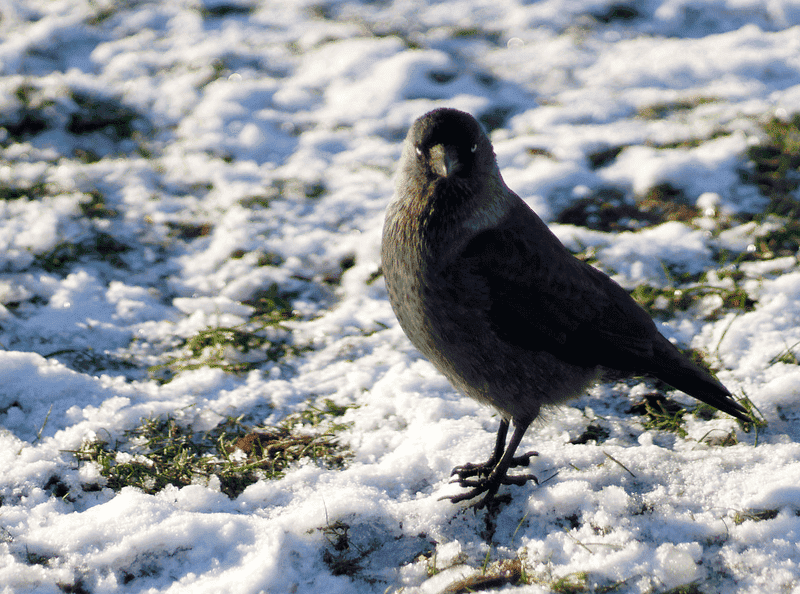
(all taken with a Canon nFD 50mm f/1.4 with a CPL filter mounted)
(not as sharp as I'd like them to be, but wild animals are wild, and manual lenses are manual
)Bird 1: Thirsty?
Yes, very thirsty...
...and curious:
Bird 2: A very handsome bird.
Yes, very handsome.
(all taken with a Canon nFD 50mm f/1.4 with a CPL filter mounted)
- 19,385
- 15,622
Cleaning out some old files, I ran across this picture of Pete, one of our cats from over the years, which I titled and had printed as an 8x10 for my daughter who, at the time, was stressed out:

Last edited:
Science Advisor
- 3,766
- 2,215
I'm astonished that such a species can even survive in Africa, with so many predators that can easily outrun it. (Even baboons are at least as quick.)BillTre said:A dik-dik a small antelope from Africa, that lives in bush.
- 20,819
- 28,467
Foto/Abdul Gapur Dayak
OCR
- 996
- 936
Another one for your. . .

.
phinds said:daughter who, at the time, was stressed out:
.
Science Advisor
- 3,766
- 2,215
Are you sure that's not a beauty pageant in Elbonia?BillTre said:~80 ostriches got loss from a farm in China and roamed the city streets:
[...]
Science Advisor
Gold Member
- 2,856
- 12,709
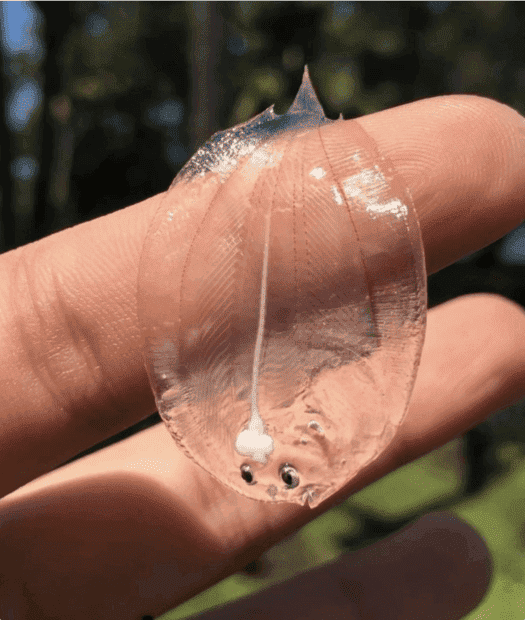
A young flounder (I think).
It eyes are already on the same side of the body, so they have gone through the eye migration stage.
The body is clear.
Its a great example of anatomy being visible.
This is also why people like working with zebrafish embryos (very clear, can see everything).
The CNS (brain and spinal cord) is the white thing going up and down.
Spinal cord is to the top of the picture, the brain is the swelling at the head end (eyes) toward the bottom.
The hindbrain is where the long skinny spinal cord expands in width, but is still kind of tubular.
The swellings further down are midbrain (optic lobe and/or cerebellum), hypothalamus, and the little things in front are the forebrain (telencephalon is a part of this) and the olfactory bulbs (connect to nose).
The olfactory (smell) bulbs are pretty large compared to the brain in many fish.
The CNS is white because of high concentration of layers of cell membranes in the neural tissue.
You can also see a lot of the structure of the other clear tissues, and its not even using phase contrast imaging.
It eyes are already on the same side of the body, so they have gone through the eye migration stage.
The body is clear.
Its a great example of anatomy being visible.
This is also why people like working with zebrafish embryos (very clear, can see everything).
The CNS (brain and spinal cord) is the white thing going up and down.
Spinal cord is to the top of the picture, the brain is the swelling at the head end (eyes) toward the bottom.
The hindbrain is where the long skinny spinal cord expands in width, but is still kind of tubular.
The swellings further down are midbrain (optic lobe and/or cerebellum), hypothalamus, and the little things in front are the forebrain (telencephalon is a part of this) and the olfactory bulbs (connect to nose).
The olfactory (smell) bulbs are pretty large compared to the brain in many fish.
The CNS is white because of high concentration of layers of cell membranes in the neural tissue.
You can also see a lot of the structure of the other clear tissues, and its not even using phase contrast imaging.
docnet
- 796
- 487
It looks like a sliver of aloe vera.BillTre said:A young flounder (I think).
It eyes are already on the same side of the body, so they have gone through the eye migration stage.
The body is clear.
Its a great example of anatomy being visible.
This is also why people like working with zebrafish embryos (very clear, can see everything).
The CNS (brain and spinal cord) is the white thing going up and down.
Spinal cord is to the top of the picture, the brain is the swelling at the head end (eyes) toward the bottom.
The hindbrain is where the long skinny spinal cord expands in width, but is still kind of tubular.
The swellings further down are midbrain (optic lobe and/or cerebellum), hypothalamus, and the little things in front are the forebrain (telencephalon is a part of this) and the olfactory bulbs (connect to nose).
The olfactory (smell) bulbs are pretty large compared to the brain in many fish.
The CNS is white because of high concentration of layers of cell membranes in the neural tissue.
You can also see a lot of the structure of the other clear tissues, and its not even using phase contrast imaging.View attachment 295466
Keith_McClary
- 752
- 1,507
DennisN
Gold Member
- 2,197
- 10,329
Here's one of my cats. She has a very peculiar sleeping style; she often stretches her hindlegs like this :) :phinds said:Cleaning out some old files, I ran across this picture of Pete, one of our cats from over the years, which I titled and had printed as an 8x10 for my daughter who, at the time, was stressed out:
View attachment 294978
DennisN
Gold Member
- 2,197
- 10,329
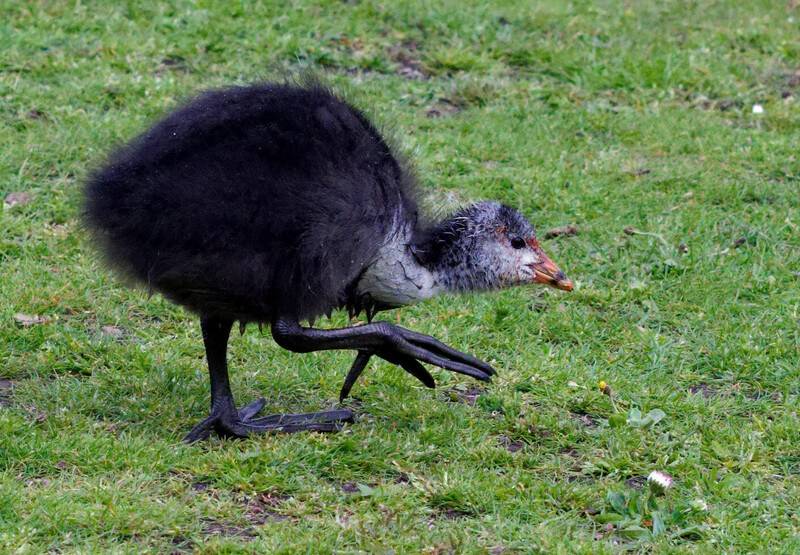
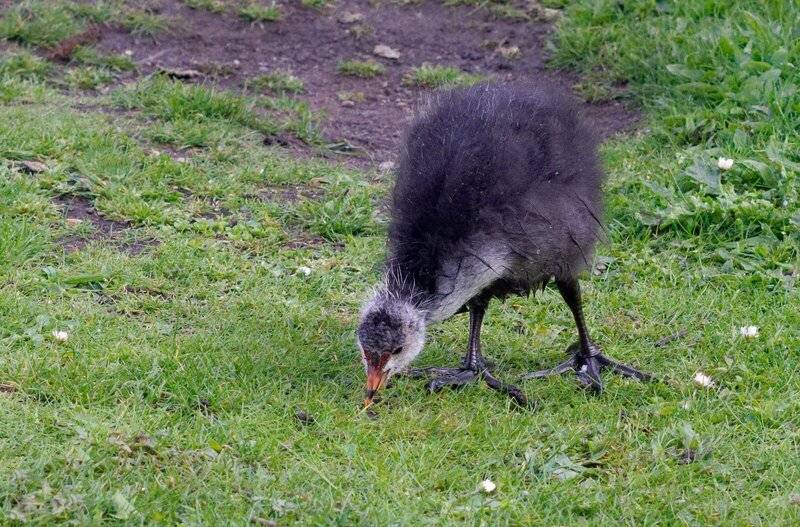
I sorted through some unprocessed photos I took last spring.
Here's a Eurasian coot youngling foraging:
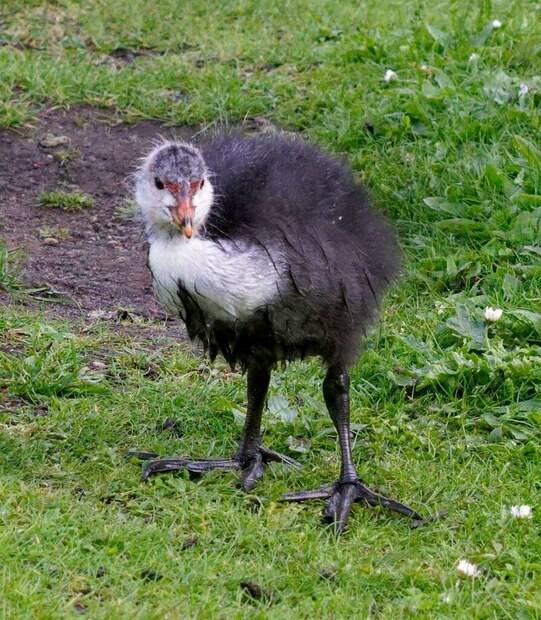
Here's a Eurasian coot youngling foraging:
Admin
- 69,784
- 25,632
This is the wildlife photo of the year, as chosen by the public
https://www.cnn.com/travel/article/wildlife-photographer-peoples-choice-intl-scli-scn/index.html
I like this runner-up photo better than the one that won:
DennisN
Gold Member
- 2,197
- 10,329
Tough choice. All 5 are great. I think I would favor the two lions because the photo "says" a lot to me.berkeman said:I like this runner-up photo better than the one that won:
- 20,819
- 28,467
Keith_McClary
- 752
- 1,507
thenarwhal.ca