SUMMARY
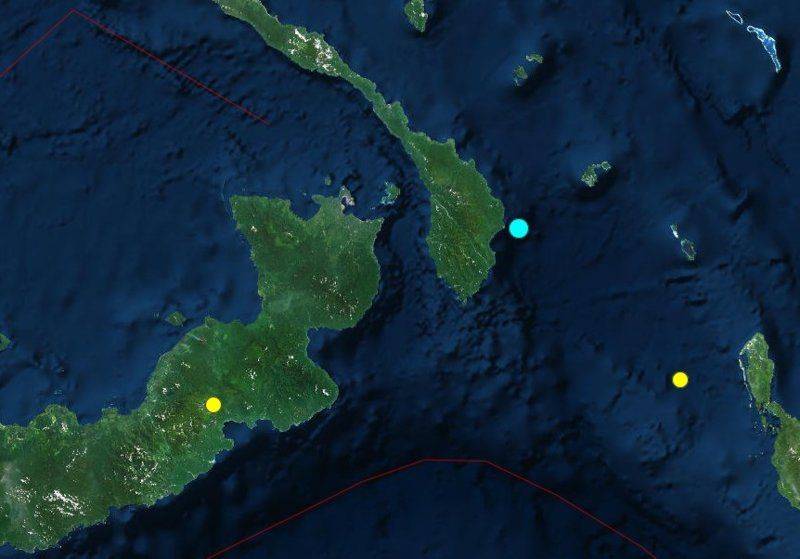
The discussion centers on the representation of "bubbles" on the USGS earthquake map, specifically regarding their significance in indicating earthquake magnitudes. Each bubble corresponds to earthquakes of magnitude 4.5 and above that have occurred from 1900 to 2015. The size of the bubble reflects the magnitude range of the earthquakes, with larger bubbles indicating more significant seismic events. The conversation highlights the importance of understanding these visual cues for interpreting seismic activity over time.
PREREQUISITES
- Understanding of seismic magnitude scales, specifically Richter and moment magnitude scales.
- Familiarity with the USGS (United States Geological Survey) earthquake monitoring tools.
- Basic knowledge of earthquake history and significant seismic events since 1900.
- Ability to interpret geological maps and data visualizations.
NEXT STEPS
- Research the USGS earthquake catalog and its data visualization techniques.
- Learn about the differences between earthquake magnitude scales, focusing on M4.5 and above.
- Explore historical seismic activity in Papua New Guinea and its geological implications.
- Investigate the impact of significant earthquakes on local communities and infrastructure.
USEFUL FOR
Seismologists, geologists, emergency management professionals, and anyone interested in understanding earthquake data and its implications for public safety and geological research.
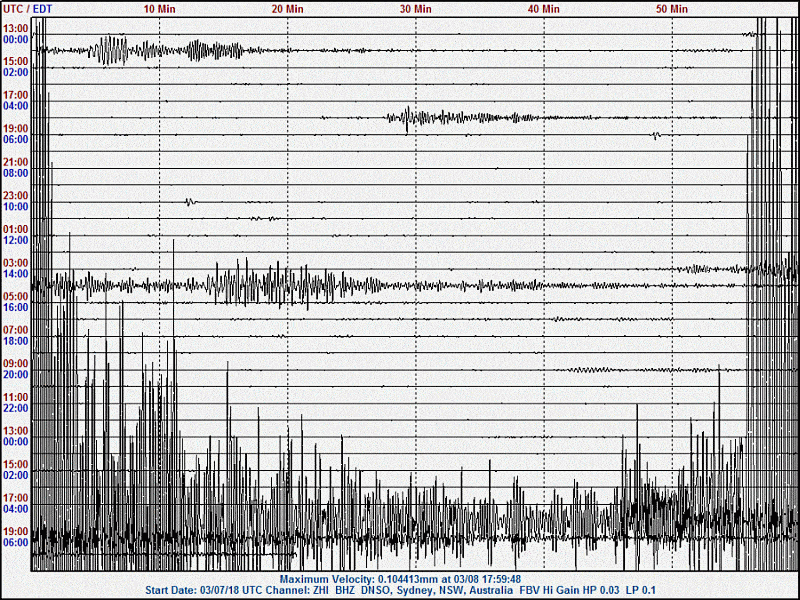 location map
 cheers

