Discussion Overview
The discussion revolves around the challenges of creating high-quality tables for scientific papers, specifically focusing on software options and formatting techniques. Participants share their experiences and preferences regarding tools like Microsoft Word, Excel, and LaTeX, as well as other potential solutions.
Discussion Character
- Technical explanation
- Debate/contested
- Exploratory
Main Points Raised
- Some participants suggest using spreadsheets for better formatting control and data management, highlighting the ability to manipulate borders and styles.
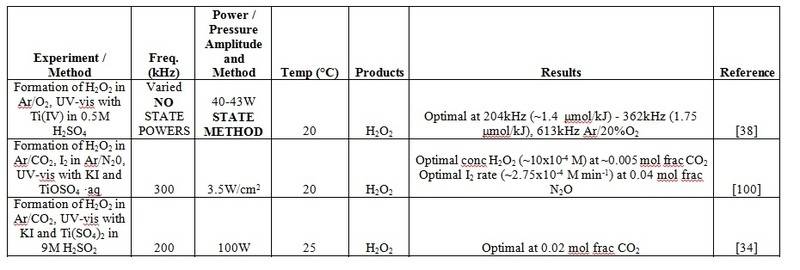
- Others express frustration with Microsoft Word's formatting capabilities, noting that it often does not meet the standards seen in scientific papers.
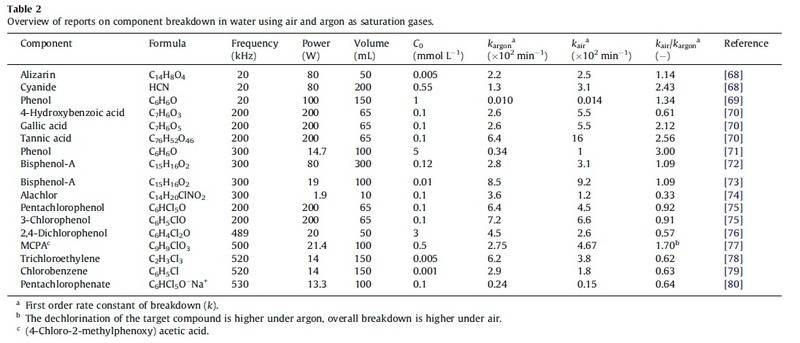
- LaTeX is proposed by several participants as a preferred tool for creating professional-looking tables, although some acknowledge its complexity and the challenges associated with formatting.
- One participant mentions that while LaTeX can produce aesthetically pleasing tables, it may require advanced knowledge and can be difficult to manage, especially with complex formatting needs.
- There is a suggestion that CAD software could be used for producing high-quality presentations that include tables, graphs, and other technical drawings.
Areas of Agreement / Disagreement
Participants generally agree that Microsoft Word has limitations in formatting tables for scientific use. However, there is no consensus on the best alternative, as opinions vary regarding the effectiveness and usability of LaTeX, spreadsheets, and CAD software.
Contextual Notes
Some participants note that while LaTeX is widely used, it may not be the easiest option for all users, particularly when dealing with specific formatting requirements like footnotes or alignment. The discussion reflects a range of experiences and preferences without resolving the debate on the best software for table creation.