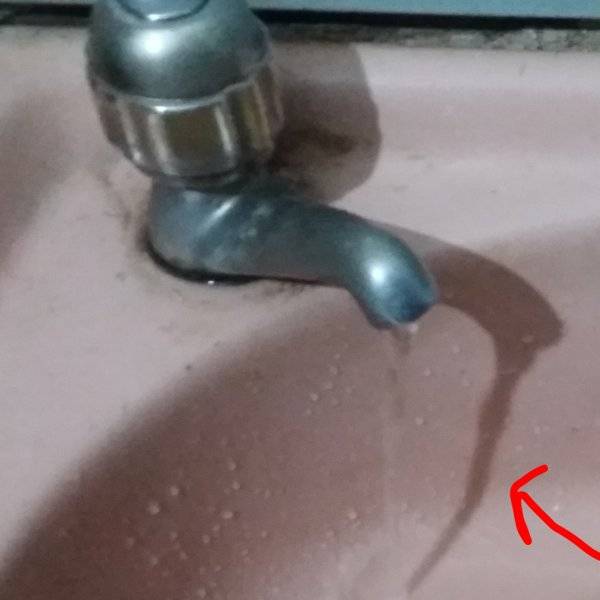
Discussion Overview
The discussion revolves around the phenomenon of flowing water casting a shadow, exploring the underlying causes and conditions that contribute to this effect. Participants examine the interplay of light, refraction, and the physical properties of water in various contexts, including theoretical and practical scenarios.
Discussion Character
- Exploratory
- Technical explanation
- Debate/contested
Main Points Raised
- Some participants suggest that turbulence in flowing water may prevent light from being refracted, thereby contributing to shadow formation.
- Others argue that the movement of water is irrelevant, citing that a transparent glass tube casts a shadow when filled with water due to its refractive properties.
- One participant draws an analogy with rainbows, noting that certain areas appear darker due to light being diverted, similar to patterns created by ripples in a swimming pool.
- It is proposed that the shape of the container (e.g., glass tube vs. flat glass) affects the shadow cast, with cylindrical shapes casting more noticeable shadows.
- Another viewpoint emphasizes that light is refracted away from the geometrical shadow area when shining a light beam through water.
- One participant discusses the visibility of shadows in different contexts, such as comparing a glass tube to a window pane, suggesting that the geometry of the object influences shadow perception.
- There is a reiteration that a column of water acts as a cylindrical prism, refracting light and affecting how shadows are perceived, with conditions affecting visibility.
- Concerns are raised about the clarity of the discussion, with some participants feeling that the thread is becoming disorganized due to edits and deletions of messages.
Areas of Agreement / Disagreement
Participants express multiple competing views regarding the causes and conditions for shadows cast by flowing water. There is no consensus on a singular explanation, and the discussion remains unresolved.
Contextual Notes
Some participants note that the visibility of shadows may depend on specific circumstances, such as the background against which the water is viewed, and that the effects may not always be consistent across different scenarios.