220V European treadmill on USA 110V

  • Thread starter Thread starter carlopiano
  • Start date Start date
  • Tags Tags
    Usa
Click For Summary
SUMMARY

Using a European treadmill (3.5 HP, 230V AC, 50/60Hz, 1850 W) in the USA requires careful consideration of electrical compatibility and safety standards. While it may be possible to operate the treadmill using a correctly specified autotransformer, the treadmill's actual power draw at startup could exceed 2900W, potentially tripping circuit breakers on standard 120V outlets. It is advisable to consult an electrician familiar with both European and American electrical systems to ensure safe operation. Alternatively, purchasing a treadmill designed for the US market may be a simpler solution.

PREREQUISITES
  • Understanding of electrical systems, specifically 120V and 240V configurations.
  • Knowledge of transformer specifications, particularly autotransformers.
  • Familiarity with electrical safety standards and regulations.
  • Basic comprehension of motor power ratings and their implications.
NEXT STEPS
  • Research the specifications and compatibility of autotransformers for high-wattage appliances.
  • Learn about the differences between European and American electrical systems, focusing on voltage and frequency.
  • Investigate the process of consulting with a licensed electrician regarding appliance modifications.
  • Explore options for purchasing treadmills that are compatible with US electrical standards.
USEFUL FOR

Individuals looking to use European electrical appliances in the US, electricians, fitness enthusiasts considering equipment compatibility, and anyone interested in understanding electrical safety standards.

carlopiano
Messages
5
Reaction score
1
Can someone help me? Is there a way to use my European treadmill (3,5HP, 230V AC, 50/60Hz, 1850 WATT) here in US using a transformer/converter? thank you!
 
Engineering news on Phys.org
carlopiano said:
Can someone help me? Is there a way to use my European treadmill (3,5HP, 230V AC, 50/60Hz, 1850 WATT) here in US using a transformer/converter? thank you!
Welcome to PF!

It may be wirable directly. 230V or thereabouts is a pretty normal American voltage, but it depends on the specific wiring of where you live. Most single homes use split-phase 120/240V and most apartments/condos use 120/208 single/2 legs of a 3-phase.

But...this isn't something you're likely to be able to wire yourself. And you certainly cannot use a standard 120V circuit for this load. It's way too big (also, 3.5 HP is 2600W, not 1850).
 
russ_watters said:
It may be wirable directly. 230V or thereabouts is a pretty normal American voltage, but it depends on the specific wiring of where you live. Most single homes use split-phase 120/240V and most apartments/condos use 120/208 single/2 legs of a 3-phase.
Yes, it may run on 120/240V. But, I wouldn't suggest that unless someone that knows about electrical safety standards looks at the construction. In Europe, the 230V service is ground referenced, i.e. one of the current carrying conductors is neutral and near ground potential. In the US 240V single phase is normally two 120V (wrt ground) conductors out of phase. There may be insulation differences in transformers, motors, etc. that matter. They may not have overcurrent protection in the neutral side, which you would need. I would bet it's OK, but I wouldn't bet someone's house or life on it without some examination.

russ_watters said:
3.5 HP is 2600W, not 1850
https://electrical-engineering-portal.com/19-essential-information-you-can-find-on-motor-nameplate#17 are weird complicated. That's probably a peak HP rating vs. a maximum average power rating under some usage conditions.

carlopiano said:
Is there a way to use my European treadmill (3,5HP, 230V AC, 50/60Hz, 1850 WATT) here in US using a transformer/converter?
You can definitely run it from a correctly specified transformer (autotransformer, actually). But, it will be big, heavy and expensive. An EE could look inside and determine what is and isn't compatible and how to convert it. For example, it may be better to replace the motor than buy a big transformer, or not, IDK. I would guess the answers range from simple to too hard to do.

Also, the change from 50Hz to 60Hz will reduce the motor's power, which probably doesn't actually matter much.

If it's still in Europe, I'd just sell it and buy a used one here that just plugs in the wall.
 
DaveE said:
Also, the change from 50Hz to 60Hz will reduce the motor's power, which probably doesn't actually matter much.
I expect it would be fitted with a variable speed DC motor, driven by an H-bridge, so mains frequency would not be important.
 
  • Like
Likes   Reactions: DaveE and russ_watters
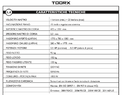
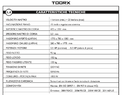
Thank you all. Unfortunately it is already in the US, and I understand that it is very very complicated, also because I should ask an electrician who knows both European and American standards. About the HP and Watts, I attach the manual information about that.
 

Attachments

  • Senza nome.png
    Senza nome.png
    25.4 KB · Views: 240
DaveE said:
Yes, it may run on 120/240V. But, I wouldn't suggest that unless someone that knows about electrical safety standards looks at the construction. In Europe, the 230V service is ground referenced, i.e. one of the current carrying conductors is neutral and near ground potential. In the US 240V single phase is normally two 120V (wrt ground) conductors out of phase. There may be insulation differences in transformers, motors, etc. that matter. They may not have overcurrent protection in the neutral side, which you would need. I would bet it's OK, but I wouldn't bet someone's house or life on it without some examination.https://electrical-engineering-portal.com/19-essential-information-you-can-find-on-motor-nameplate#17 are weird complicated. That's probably a peak HP rating vs. a maximum average power rating under some usage conditions.You can definitely run it from a correctly specified transformer (autotransformer, actually). But, it will be big, heavy and expensive. An EE could look inside and determine what is and isn't compatible and how to convert it. For example, it may be better to replace the motor than buy a big transformer, or not, IDK. I would guess the answers range from simple to too hard to do.

Also, the change from 50Hz to 60Hz will reduce the motor's power, which probably doesn't actually matter much.

If it's still in Europe, I'd just sell it and buy a used one here that just plugs in the wall.
A converter like this one (10000W)?
https://www.amazon.com/gp/product/B01J923F5Q/?tag=pfamazon01-20
 
DaveE said:
Yes, it may run on 120/240V. But, I wouldn't suggest that unless someone that knows about electrical safety standards looks at the construction. In Europe, the 230V service is ground referenced, i.e. one of the current carrying conductors is neutral and near ground potential. In the US 240V single phase is normally two 120V (wrt ground) conductors out of phase. There may be insulation differences in transformers, motors, etc. that matter. They may not have overcurrent protection in the neutral side, which you would need. I would bet it's OK, but I wouldn't bet someone's house or life on it without some examination.
Let me try from a different angle: the fact that it says 60hz tells us with near certainty that it can run on American power.

But sure: it's easy enough to contact the manufacturer to verify.
 
  • Like
Likes   Reactions: DaveE
carlopiano said:
The problem is that at full speed and maybe even right when you turn it on, it will likely trip your circuit breaker. 1850W is just above the limit, but if it draws like a 3.5 HP at startup, that's 2900W.

Or worse if that doesn't account for efficiency and power factor.
 
  • #10
phyzguy said:
The simplest thing is to just buy a transformer and plug it in. Something like this one from Best Buy. I doubt the 50Hz/60Hz difference will be a problem.

https://www.110220volts.com/ac-3000...MIj-qmodOr8gIVkTytBh0QQwLsEAQYByABEgJlHfD_BwE
Wow, those are a lot cheaper than I expected. I guess I'm out of touch. This is definitely what I would do; the easiest way by far. You'll never get a 240V outlet where you want it for $120.
 
  • #11
DaveE said:
Wow, those are a lot cheaper than I expected. I guess I'm out of touch. This is definitely what I would do; the easiest way by far. You'll never get a 240V outlet where you want it for $120.
So, you also think that with this I can use my treadmill from a 110V outlet?
 

Attachments

  • Senza nome.png
    Senza nome.png
    25.4 KB · Views: 166
  • #12
carlopiano said:
So, you also think that with this I can use my treadmill from a 110V outlet?
20A circuit, yes. 15A circuit, maybe not, not if it draws full power. Try to avoid a 20A circuit that has other significant loads at the same time (microwaves, hair driers, etc) or you may trip the circuit breaker.
 
  • #13
DaveE said:
20A circuit, yes. 15A circuit, maybe not, not if it draws full power. Try to avoid a 20A circuit that has other significant loads at the same time (microwaves, hair driers, etc) or you may trip the circuit breaker.
Thank you all for your support!
 
  • Like
Likes   Reactions: dlgoff

Similar threads

  • · Replies 5 ·
Replies
5
Views
6K
  • · Replies 12 ·
Replies
12
Views
6K
  • · Replies 22 ·
Replies
22
Views
17K
  • · Replies 41 ·
2
Replies
41
Views
18K
Replies
4
Views
2K
  • · Replies 8 ·
Replies
8
Views
3K
Replies
2
Views
2K
  • · Replies 1 ·
Replies
1
Views
2K
  • · Replies 10 ·
Replies
10
Views
4K
  • · Replies 4 ·
Replies
4
Views
2K