SUMMARY
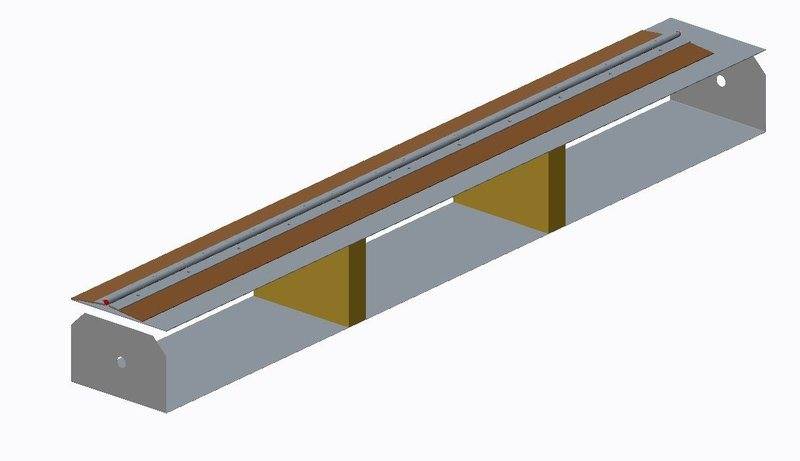
The discussion centers on a malfunctioning capacitive coupling clamp constructed from a 1.5mm thick aluminum sheet, which only outputs 6V when a 500V burst signal is applied. The user is attempting to connect this clamp to a chattering relay circuit capable of producing bursts up to 4KV but is not observing the expected coupling effect on communication lines. Key factors affecting performance include the source impedance of the signal and the relationship between burst power and current flow, which the user has not measured.
PREREQUISITES
- Understanding of capacitive coupling principles
- Knowledge of EN 61000-4-4 standards for burst testing
- Familiarity with source impedance concepts in electrical circuits
- Basic electronics knowledge, including voltage and current relationships
NEXT STEPS
- Research the effects of source impedance on capacitive coupling performance
- Learn how to measure and analyze current in burst signals
- Study the design and implementation of capacitive coupling clamps
- Explore troubleshooting techniques for burst signal coupling issues
USEFUL FOR
Electronics engineers, hobbyists working with capacitive coupling devices, and professionals involved in compliance testing for burst immunity in communication lines.