Discussion Overview
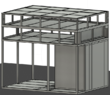
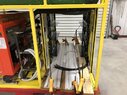
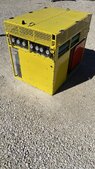
The discussion revolves around the heat transfer characteristics of an electronics compartment enclosed with 20GA steel panels and insulated with R-6 foam board. Participants explore the potential impact of replacing the steel panels with aluminum and changing the powder coating color on heat transfer, considering factors such as ambient heat, direct sunlight exposure, and internal heat generation from electronic devices.
Discussion Character
- Exploratory
- Technical explanation
- Debate/contested
- Experimental/applied
Main Points Raised
- Some participants propose that replacing the 20GA steel with aluminum panels may reduce heat transfer, while others suggest that the powder coating and color could be more significant factors.
- One participant notes that the insulation is applied on all sides with the reflective foil against the steel, raising questions about the effectiveness of the insulation in managing heat.
- Another participant argues that the insulation should be removed to allow heat to escape through the enclosure, suggesting that the foil layer serves no useful purpose when in contact with the enclosure.
- There is a discussion about the energy dissipation from various electronic components, with one participant providing calculations related to the required surface area for cooling based on heat generation.
- Some participants mention the importance of separating hot and cold devices within the enclosure to reduce HVAC load, proposing solutions like a double-walled barrier or additional insulation.
- Concerns are raised about the ambient temperature affecting the internal temperature of the compartment, with participants discussing the HVAC system's operation and its impact on temperature management.
- One participant shares their experience with repositioning heated equipment and enhancing airflow to improve temperature control within the compartment.
Areas of Agreement / Disagreement
Participants express multiple competing views regarding the effectiveness of insulation, the materials used for the enclosure, and the management of heat within the compartment. The discussion remains unresolved, with no consensus on the best approach to mitigate heat transfer.
Contextual Notes
Participants highlight various assumptions regarding the ambient temperature, the operation of the HVAC system, and the specific configuration of the equipment within the enclosure, which may influence the effectiveness of proposed solutions.