How to make 3-phase contactor to chatter?

  • Thread starter Thread starter Nikhil N
  • Start date Start date
  • Tags Tags
    Contactor
Click For Summary
SUMMARY

The discussion centers on generating burst signals from an ABB A16 3-phase contactor to create chattering effects similar to relays. The participants emphasize the importance of adhering to industry standards, specifically referencing EN 61000-4-4 for noise testing. It is established that proper wiring according to NEC (National Electric Code) is crucial to prevent chattering caused by signal interference, particularly from routing issues with control wiring. A Pilot Relay is recommended to safely energize the contactor from a low-voltage ModBus communication system.

PREREQUISITES
  • Understanding of ABB A16 3-phase contactor operation
  • Familiarity with ModBus communication systems
  • Knowledge of NEC (National Electric Code) wiring standards
  • Experience with noise testing standards, specifically EN 61000-4-4
NEXT STEPS
  • Research the wiring requirements for ABB A16 contactors
  • Learn about Pilot Relay configurations for low-voltage control systems
  • Study the EN 61000-4-4 noise testing procedures
  • Investigate common causes of signal interference in electrical systems
USEFUL FOR

Electrical engineers, technicians working with industrial automation, and researchers conducting experiments on noise immunity in electrical systems will benefit from this discussion.
Nikhil N
Messages
80
Reaction score
2
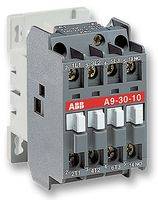
I have a ABB A16, 3 phase contactor. I need to generate burst signals from this contactor as similar in relays when it switching on and off frequently. I need the circuit diagram for making the contactor to chatter.
A26_30_10_230V_50HZ.jpg

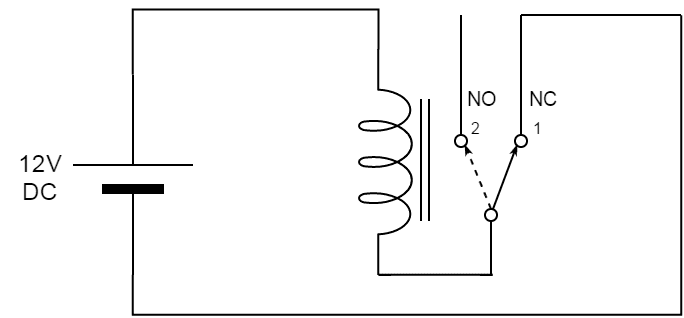
The circuit I used to make chattering relay was as below:
relay.png
 
Engineering news on Phys.org
Nikhil N said:
I have a ABB A16, 3 phase contactor. I need to generate burst signals from this contactor as similar in relays when it switching on and off frequently. I need the circuit diagram for making the contactor to chatter.View attachment 114564
The circuit I used to make chattering relay was as below:View attachment 114565
This is the noise source for your ModBus comm interference experiments?

Maybe you should consider just renting the equipment for doing the industry standard version of your noise test, EN 61000-4-4

https://www.atecorp.com/compliance-...1000-4-4-testing-and-measurement-techniques-e
 
  • Like
Likes   Reactions: Nikhil N
berkeman said:
This is the noise source for your ModBus comm interference experiments?

yes, this is the one source which I can consider as interference source. This experiment is related to academic research, can't do it outside
 
Nikhil N said:
yes, this is the one source which I can consider as interference source. This experiment is related to academic research, can't do it outside
The problem is that if you don't use a very developed and understood industry standard test procedure, others cannot rely on your results. You would never be able to sell a product based on performance in your home-brew noise rejection test. You need to demonstrate noise immunity against industry standard tests. There are lots of reasons for this, including the validity and integrity of the tests...
 
  • Like
Likes   Reactions: Nikhil N
Berkeman is 100% correct even tho your experiment is Academic in nature.. That said, there is no reason for that contactor to ever chatter if everything is wired correctly to begin with.. NEC requires the coil of the contactor be powered from the source power feeding the contactor.. This is done so the electrician that may work on this unit doesn't get his ears lite up from a random turn on signal.. Hence a Pilot Relay (or similar) is required, this is energized from your ModBus Comm system which is generally low voltage.. The major reason for any signal interference which will cause chattering in your contactor is a routing problem with your control wiring.. Low voltage control wiring is never put in the same conduiit or run parallel, in the open, with high voltage conductors.. Inductive bleed over is the issue at hand.. Berkeman is correct in saying the tests need to be preformed with 'real world' standards and procedures but it is also necessary to follow 'real world' wiring procedures as per NEC (National Electric Code/NFPA)..Sorry if I missed the whole reason for your experiment, just trying to share a little knowledge I've gained as a real world electrician...
 
  • Like
Likes   Reactions: Nikhil N and berkeman

Similar threads

  • · Replies 25 ·
Replies
25
Views
5K
  • · Replies 3 ·
Replies
3
Views
2K
  • · Replies 4 ·
Replies
4
Views
2K
Replies
2
Views
2K
  • · Replies 3 ·
Replies
3
Views
3K
Replies
6
Views
4K
  • · Replies 5 ·
Replies
5
Views
530
Replies
9
Views
2K
  • · Replies 2 ·
Replies
2
Views
2K
  • · Replies 7 ·
Replies
7
Views
787