SUMMARY
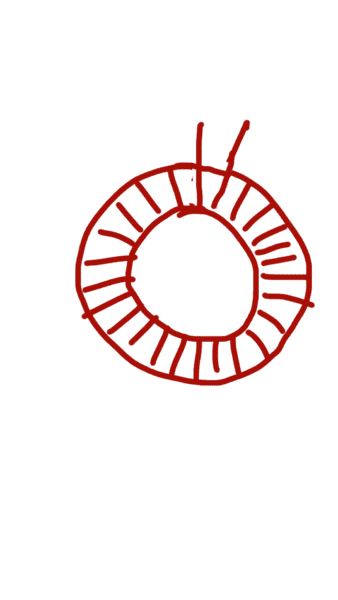
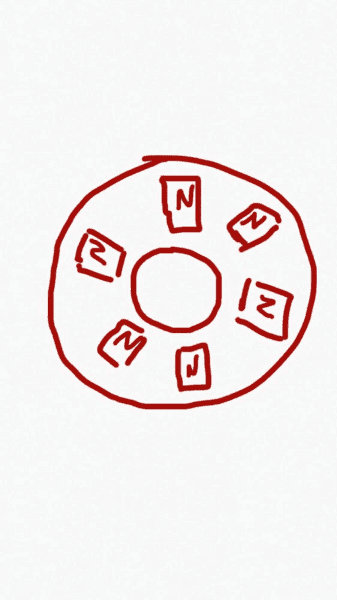
The discussion centers on the design and construction of a DC generator using a donut-shaped coil and six rectangular magnets. Key points include the necessity of alternating magnetic poles to generate voltage effectively, the importance of wire gauge based on load current to prevent overheating, and the implications of using a motor-generator setup powered by solar energy. The conversation highlights that a fixed magnet orientation will not produce sufficient voltage due to constant magnetic flux, and emphasizes the need for proper safety measures when connecting to the power grid.
PREREQUISITES
- Understanding of electromagnetic principles and magnetic flux
- Knowledge of DC generator design and operation
- Familiarity with wire gauge selection based on current load
- Awareness of grid-tie inverter requirements and safety regulations
NEXT STEPS
- Research "DC generator design principles" for effective coil and magnet configurations
- Learn about "wire gauge selection for electrical applications" to prevent overheating
- Investigate "grid-tie inverter safety standards" for connecting to the power grid
- Explore "alternating current vs. direct current generation" for better understanding of voltage production
USEFUL FOR
This discussion is beneficial for electrical engineers, hobbyists interested in renewable energy projects, and anyone involved in DIY generator construction and grid-tie systems.
 Thanks for your advice.
