John37309
- 102
- 0
Protein structure drawing method
I want to know the proper name given to this particular method of drawing proteins, RNA and Genes. I have two examples;
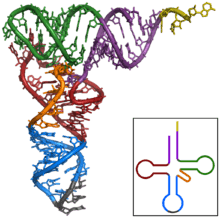
If you look at the Wikipedia page for tRNA, they show the Tertiary structure of tRNA like this;
http://en.wikipedia.org/wiki/Transfer_RNA
But they also show this particular type of secondary tRNA structure;
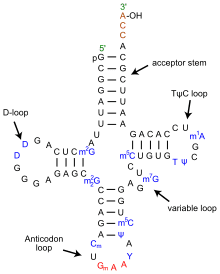
I personally describe this method as flattening out the structure so we can see the exact amino acid sequence more clearly. Wikipedia describes this structure for tRNA as the "Secondary cloverleaf structure". But they only say that because tRNA looks like a three leaf clover when you flatten it out like that. Other proteins and stuff take on very different patterns when you flatten them out!
The same flattening method is used here for the Gene HAR1F;
http://en.wikipedia.org/wiki/HAR1F
I want to know what is the proper name given to this flattening method of drawing proteins, amino acids and genes?
John.
I want to know the proper name given to this particular method of drawing proteins, RNA and Genes. I have two examples;
If you look at the Wikipedia page for tRNA, they show the Tertiary structure of tRNA like this;
http://en.wikipedia.org/wiki/Transfer_RNA
But they also show this particular type of secondary tRNA structure;
I personally describe this method as flattening out the structure so we can see the exact amino acid sequence more clearly. Wikipedia describes this structure for tRNA as the "Secondary cloverleaf structure". But they only say that because tRNA looks like a three leaf clover when you flatten it out like that. Other proteins and stuff take on very different patterns when you flatten them out!
The same flattening method is used here for the Gene HAR1F;
http://en.wikipedia.org/wiki/HAR1F
I want to know what is the proper name given to this flattening method of drawing proteins, amino acids and genes?
John.
Last edited: