SUMMARY
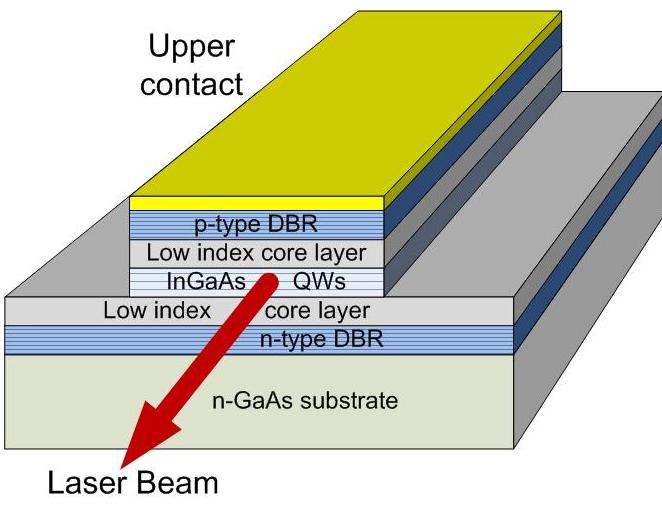
The substrate in semiconductor lasers serves multiple critical functions, including acting as one of the electrodes, facilitating the epitaxial growth of active layers, and enabling local doping through techniques like ion implantation. Additionally, the substrate can function as a heat sink and allows for the simultaneous production of numerous small devices, ensuring structural integrity and connectivity. Common substrate materials include Silicon, particularly in applications like NAND flash memory, where doping is utilized to achieve desired electrical properties.
PREREQUISITES
- Understanding of semiconductor physics
- Familiarity with epitaxial growth techniques
- Knowledge of ion implantation processes
- Basic concepts of electrical doping in semiconductors
NEXT STEPS
- Research epitaxial growth methods for semiconductor layers
- Learn about ion implantation techniques in semiconductor manufacturing
- Explore the role of substrates in thermal management of electronic devices
- Study the properties and applications of Silicon in semiconductor technology
USEFUL FOR
Electrical engineers, semiconductor researchers, and professionals involved in the design and manufacturing of electronic devices, particularly those focusing on semiconductor lasers and related technologies.