SUMMARY
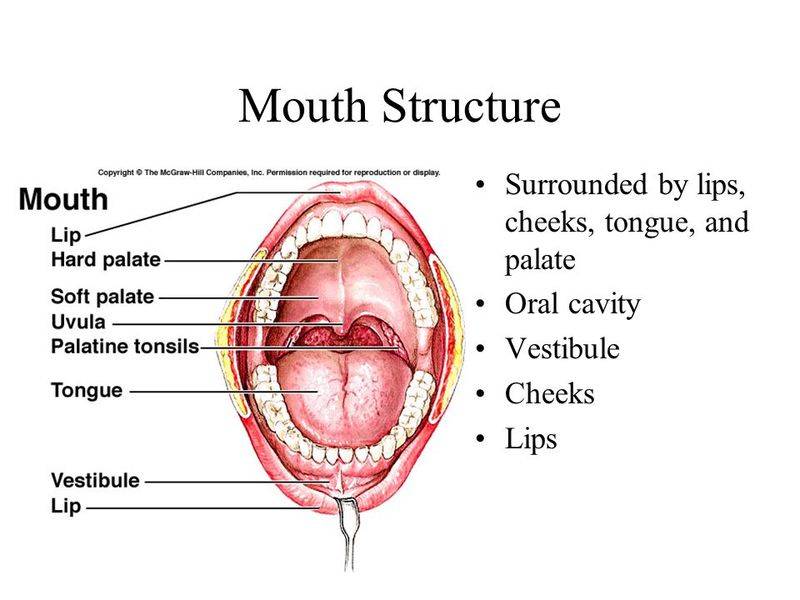
The vestibule of the mouth is defined as the space bounded anteriorly and laterally by the lips and cheeks, posteriorly and medially by the teeth and gums, and above and below by the mucosal reflections from the lips and cheeks to the gums. It is distinct from the oral cavity, which includes the teeth, gums, and tongue. The vestibule can be visualized by puffing up the cheeks with air, which expands this area. The term "vestibule" is derived from Victorian architecture, referring to a small entry space leading to a larger area.
PREREQUISITES
- Understanding of basic oral anatomy
- Familiarity with anatomical terminology
- Knowledge of the structure and function of the mouth
- Ability to visualize spatial relationships in anatomy
NEXT STEPS
- Research the anatomy of the oral cavity and its components
- Study the functions of the vestibule in oral health
- Explore the historical context of anatomical terminology
- Learn about common disorders affecting the vestibule and oral cavity
USEFUL FOR
Medical students, dental professionals, and anyone interested in oral anatomy and health will benefit from this discussion.