SUMMARY
Sound vibrations can effectively transfer through various materials, including plastic, but the efficiency depends on the acoustic impedance of the materials involved. A lower acoustic impedance allows for better energy transfer; thus, using a thin rubber bottle can enhance sound transmission into water. Sonar systems utilize piezo-electric ceramics and materials like Rho-C rubber to optimize acoustic energy transfer. To test sound transmission, one can create a hydrophone using a microphone inside a rubber glove filled with alcohol, demonstrating the principles of acoustic impedance and sound propagation in different mediums.
PREREQUISITES
- Understanding of acoustic impedance and its impact on sound transmission
- Familiarity with piezo-electric ceramics and their applications in sonar technology
- Knowledge of sound propagation in different mediums, particularly water and air
- Basic electronics skills for setting up a hydrophone system
NEXT STEPS
- Research the properties of acoustic impedance and its role in sound transmission
- Learn about the design and function of sonar systems, including piezo-electric transducers
- Explore methods for building and testing hydrophones for underwater sound detection
- Investigate the effects of different materials on sound propagation in liquids
USEFUL FOR
Acoustics researchers, audio engineers, marine biologists, and anyone interested in sound transmission through various materials.
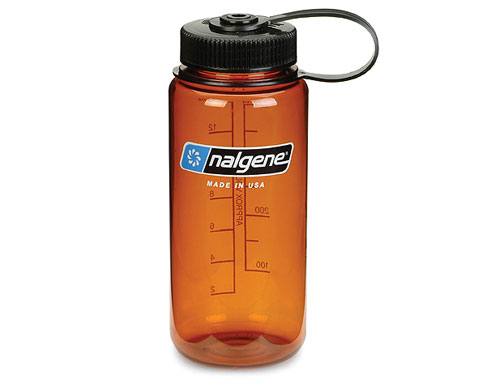
 ), to get the water in your bottle to vibrate a lot due to the sound from outside, you need to 'match' the impedance. If the bottle were put at the (narrow) end of a large, tapered acoustic horn, the pressure variations would be greater, so sound would be coupled better to the water.