SUMMARY
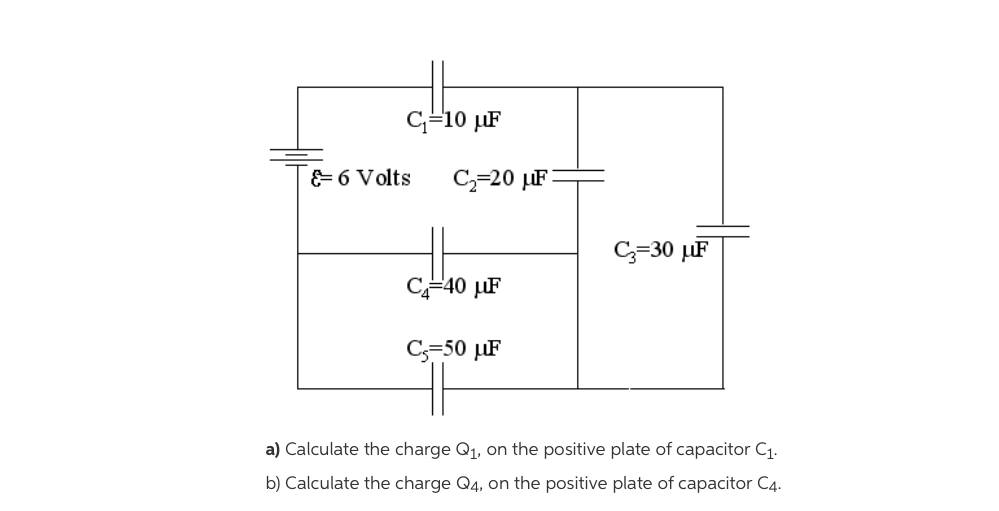
The discussion centers around solving a capacitor circuit problem using the equation Q=CV, where Q represents the charge, C is the capacitance, and V is the voltage. Participants emphasize the importance of providing an initial attempt at a solution to facilitate effective assistance. The conversation highlights the necessity of understanding the relationship between charge, capacitance, and voltage in capacitor circuits.
PREREQUISITES
- Understanding of capacitor fundamentals
- Familiarity with the equation Q=CV
- Basic circuit analysis skills
- Knowledge of voltage and capacitance relationships
NEXT STEPS
- Research advanced capacitor circuit problems
- Explore practical applications of Q=CV in real-world circuits
- Learn about series and parallel capacitor configurations
- Study energy storage in capacitors and its implications
USEFUL FOR
Students studying electrical engineering, educators teaching circuit theory, and hobbyists interested in electronics and capacitor applications.