Heat generation of phosphor layer in white LED

  • Context: Graduate 
  • Thread starter Thread starter compound
  • Start date Start date
  • Tags Tags
    Generation Heat Led
Click For Summary
SUMMARY

The discussion focuses on the heat generation mechanisms in phosphor converted white LEDs, specifically the combination of blue LEDs and yellow phosphors. Two primary heat sources are identified: Joule heating at the junction temperature of the blue LED and heat generated in the yellow phosphor layer due to Stokes shift and blue light absorption. The junction temperature is noted to reach 100°C, while the phosphor layer generates a temperature of 30°C. The inquiry into the hottest part of the LED package and the implications of thermal accumulation highlights the importance of effective thermal management in LED design.

PREREQUISITES
  • Understanding of LED technology, specifically phosphor converted white LEDs
  • Knowledge of thermal dynamics in electronic components
  • Familiarity with Joule heating principles
  • Basic concepts of Stokes shift in photonics
NEXT STEPS
  • Research thermal management techniques for high-power LEDs
  • Explore the effects of Stokes shift on phosphor efficiency
  • Learn about thermal runaway phenomena in semiconductor devices
  • Investigate the design of effective heat sinks for LED applications
USEFUL FOR

Engineers and designers working with LED technology, thermal management specialists, and researchers focused on improving the efficiency and longevity of LED systems.

compound
Messages
5
Reaction score
0
In a package of a phosphor converted white LED (blue LED + Yellow phosphor), two heat generation mechanisms exist.
1. Joule heating at junction temperature of blue LED
2. Heat generation of the yellow phosphor layer due to stokes shift and blue light absorption.

Now I have questions.
1. Where is the hottest part in the LED package? junction or phosphor layer?

2. If
junction temperature = 100°C
generated temperature of phosphor layer = 30°C

then if i measure the temperature of the phosphor layer surface, what is the temperature? 130°C ?
(on the other words, thermal accumulation phenomenon is valid in the system?)
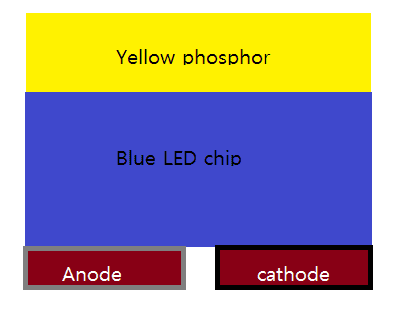
LED.PNG


is their anybody expert for LED phosphor layer?
 
I've wondered about this as well. I know that leds in the 5w range or above need rather large heat sinks or they self destruct. This alway surprised me for such small wattage ranges. I suspect a thermal run-away happens like what used to happen in early transistors.
 

Similar threads

  • · Replies 15 ·
Replies
15
Views
3K
  • · Replies 15 ·
Replies
15
Views
17K
  • · Replies 152 ·
6
Replies
152
Views
11K
  • · Replies 14 ·
Replies
14
Views
4K
  • · Replies 1 ·
Replies
1
Views
13K
  • · Replies 21 ·
Replies
21
Views
5K
  • · Replies 2 ·
Replies
2
Views
3K
  • · Replies 8 ·
Replies
8
Views
6K
  • · Replies 2 ·
Replies
2
Views
3K
  • · Replies 10 ·
Replies
10
Views
3K