sophiecentaur said:
The problem is that people tend to favour simulations above an analytical solution (which somebody else had to work out in order to write the simulator).
Only the most trivial analytic solutions are worth the time, and those I can see in my head. Bigger circuit analytic solutions are like crossword puzzles, you get the satisfaction of completing the solution, but they slow you down.
For real circuits, it is always quicker to build a SPICE model than solve it analytically. Once you have a model, you can optimise the circuit without needing to repeat the solution process.
As with software development, when a simulation produces a spurious result, minimising the circuit, while still exhibiting the problem, makes it possible to determine if there is a bug in the simulator, in your understanding of the simulator, or the circuit.
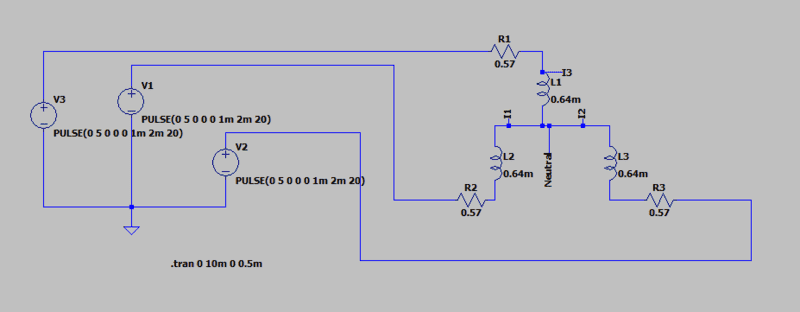
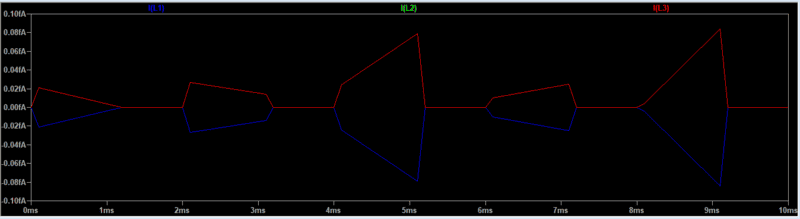
This thread began based on a minimised circuit that showed a spurious result. It was obvious that the sum of all currents to and from the neutral node must be zero, no analytic solution was needed for that. The question was, why did the simulator not agree with expectations. The answer was, as usual, operator inexperience. Experience will only rise if you climb the learning curve. Asking questions speeds the climb, and reduces the injuries.