shakhfenix
- 6
- 2
- TL;DR
- If macroscopic gas bubbles in mineral water survive freezing in a sealed plastic bottle — even under pressure from ice expansion —
should anything change when the bottle is left uncapped?
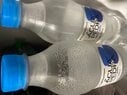
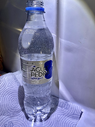
I’m repeating a simple freezing experiment using commercial plastic mineral water. The bottles contain pre-formed, macroscopic gas bubbles that remain perfectly spherical and adhered to the inner wall of the plastic.
When these bottles are sealed, freezing often preserves the bubbles intact, even under pressure from ice expansion.
I’m testing the same experiment with a bottle left uncapped.
Here’s the question:
If the pressure inside the bottle is lower (or at worst, equal) to ambient conditions, and if ice expansion was previously unable to crush or deform the bubbles under sealed pressure,
would classical thermodynamics predict any different outcome for the bubbles — specially those near the bottom of the bottle?
Attached: the first two images are from the previous experiment, the last is a microscopic comparison of the before and after freezing; the last image is what I'm testing now — it should not take long to be ready.
When these bottles are sealed, freezing often preserves the bubbles intact, even under pressure from ice expansion.
I’m testing the same experiment with a bottle left uncapped.
Here’s the question:
If the pressure inside the bottle is lower (or at worst, equal) to ambient conditions, and if ice expansion was previously unable to crush or deform the bubbles under sealed pressure,
would classical thermodynamics predict any different outcome for the bubbles — specially those near the bottom of the bottle?
Attached: the first two images are from the previous experiment, the last is a microscopic comparison of the before and after freezing; the last image is what I'm testing now — it should not take long to be ready.