SUMMARY
The discussion centers on a material tested for heat conductivity, which was heated on a Bush AE66DCA electric stove and compared to aluminum. The user observed that the material cooled rapidly after contact with water, unlike aluminum, which burned their finger upon touch. Participants emphasized the importance of measuring temperature accurately, recommending tools like thermometers or non-contact IR guns. The conversation also highlighted the significance of heat capacity in understanding thermal properties and the need for precise measurements to draw valid conclusions.
PREREQUISITES
- Understanding of thermal conductivity and heat capacity
- Familiarity with temperature measurement tools, such as thermometers and IR guns
- Knowledge of electric stove operation and specifications
- Basic principles of material science related to metals and alloys
NEXT STEPS
- Research the thermal properties of various metal alloys
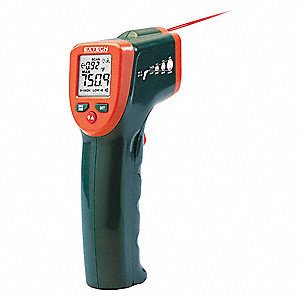
- Learn how to use a non-contact infrared thermometer for temperature measurements
- Investigate the relationship between heat capacity and mass in materials
- Explore the specifications and operation of the Bush AE66DCA electric stove
USEFUL FOR
Material scientists, engineers, hobbyists experimenting with thermal properties, and anyone interested in the comparative analysis of heat conductivity in metals.