Optical Making a vein viewer with LED lights

Click For Summary
SUMMARY

This discussion focuses on optimizing a vein viewer using LED lights, emphasizing critical factors such as the angle of the lights, skin color, and swollen areas that affect light penetration. The use of near-infrared wavelength LEDs is highlighted as essential for illuminating veins, which absorb this spectrum more than surrounding tissue. The arrangement of LEDs is debated, with suggestions to follow the circular layout from the referenced guide while avoiding a closed-top rectangle design. Users are encouraged to test their setup with a cellphone camera to observe infrared visibility.

PREREQUISITES
  • Understanding of near-infrared wavelength LEDs
  • Knowledge of light penetration factors through skin
  • Familiarity with LED arrangement techniques
  • Basic skills in DIY electronics and project assembly
NEXT STEPS
  • Research the effects of LED angle on light penetration
  • Explore different skin types and their impact on vein visibility
  • Learn about the differences between parallel and non-divergent light beams
  • Investigate the use of cellphone cameras for infrared light detection
USEFUL FOR

This discussion is beneficial for DIY enthusiasts, medical device developers, and anyone interested in creating or optimizing vein viewers using LED technology.

Hieu
Messages
2
Reaction score
0
I'm trying to optimize my vein viewer with LED lights but I'm not sure which factors affect the penetration of the light through the skin. (I'm following this guide https://www.instructables.com/id/How-to-make-an-affordable-Vein-Finder-for-use-d/)
I can say those factors are the angle of the lights, the colour of the skin, swollen areas. Is there anything else I should consider too? And should I use Parallel light beam instead of non-divergence light beam?
The last question I want to ask is about the arrangement of the LED lights. Is it best to arrange them as a circle or a rectangular?
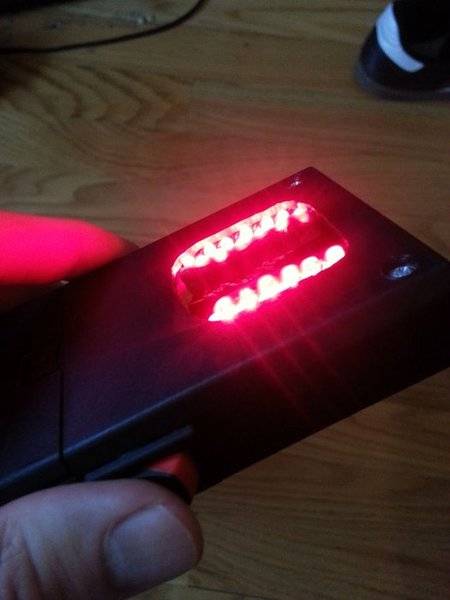
FIUFV3LHELXKGZ5.LARGE.jpg

Sorry for my bad English if there is any mistake.
 

Attachments

  • FIUFV3LHELXKGZ5.LARGE.jpg
    FIUFV3LHELXKGZ5.LARGE.jpg
    21.9 KB · Views: 1,634
Physics news on Phys.org
Hieu said:
I'm trying to optimize my vein viewer with LED lights but I'm not sure which factors affect the penetration of the light through the skin. (I'm following this guide https://www.instructables.com/id/How-to-make-an-affordable-Vein-Finder-for-use-d/)
I can say those factors are the angle of the lights, the colour of the skin, swollen areas. Is there anything else I should consider too? And should I use Parallel light beam instead of non-divergence light beam?
From the link, it sounds like the choice of the LEDs is the most important thing:
This tool works by using near-infrared wavelength LEDs to illuminate the flesh at the site. The veins will appear as dark bands because they are more absorbent of this spectrum of light than the surrounding tissue.
Are you using the exact LEDs that he specifies?
Hieu said:
The last question I want to ask is about the arrangement of the LED lights. Is it best to arrange them as a circle or a rectangular?
In the theme of the project, probably you want to arrange them as he did in his project. However, I wouldn't close off the top of the rectangle with plastic like he did. QUIZ QUESTION -- Why? :biggrin:

BTW, don't expect too much out of this project. The vein viewers that are commercially available use IR light and translate that into visible light that you can see, like this product:

https://sgmh.org/wp-content/uploads/2018/08/accuvein-picture.png

upload_2019-2-20_7-17-16.png
 

Attachments

  • upload_2019-2-20_7-17-16.png
    upload_2019-2-20_7-17-16.png
    23.5 KB · Views: 1,450
Now that it’s been a few days, how is your project going
 
Try looking at the illuminated area with your cellphone camera. They see farther into IR spectrum than our human eyes do.
 
Hey folks! So I’m kinda losing my mind over my hedgie’s setup lately. No matter what I do, the enclosure keeps getting super humid and it’s starting to smell funky. I clean it, switch bedding, crack the window, the whole nine yards… but it still ends up damp and I’m worried it’s gonna mess with my little dude’s health. I’m starting to feel like I’m doing something wrong even though I’m trying so hard. Has anyone dealt with this before? Any tips, hacks, gear recs… literally anything would...

Similar threads

  • · Replies 24 ·
Replies
24
Views
3K
  • · Replies 25 ·
Replies
25
Views
4K
  • · Replies 7 ·
Replies
7
Views
8K
  • · Replies 4 ·
Replies
4
Views
2K
  • · Replies 1 ·
Replies
1
Views
2K
  • · Replies 11 ·
Replies
11
Views
5K
  • · Replies 3 ·
Replies
3
Views
4K
  • · Replies 11 ·
Replies
11
Views
4K
  • · Replies 15 ·
Replies
15
Views
6K
  • · Replies 3 ·
Replies
3
Views
10K