SUMMARY
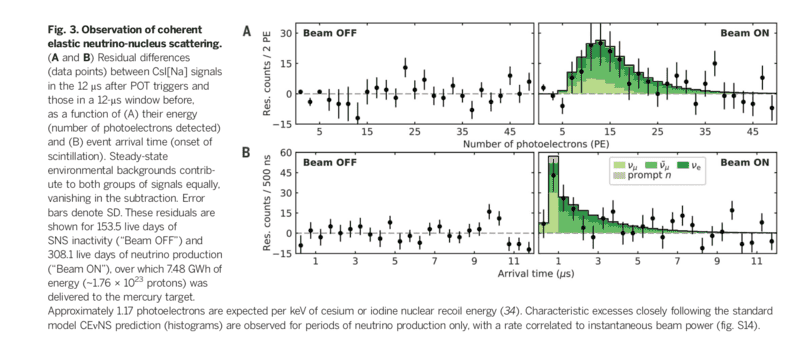
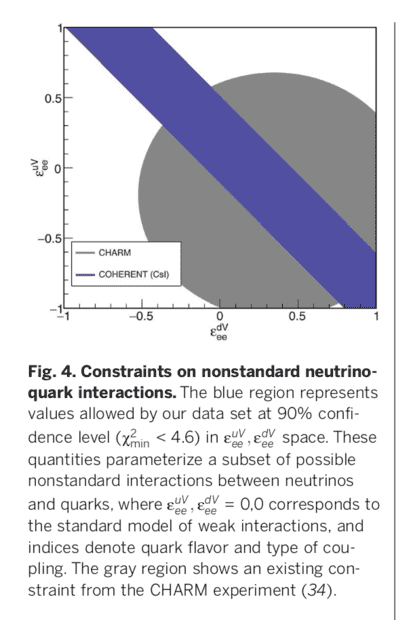
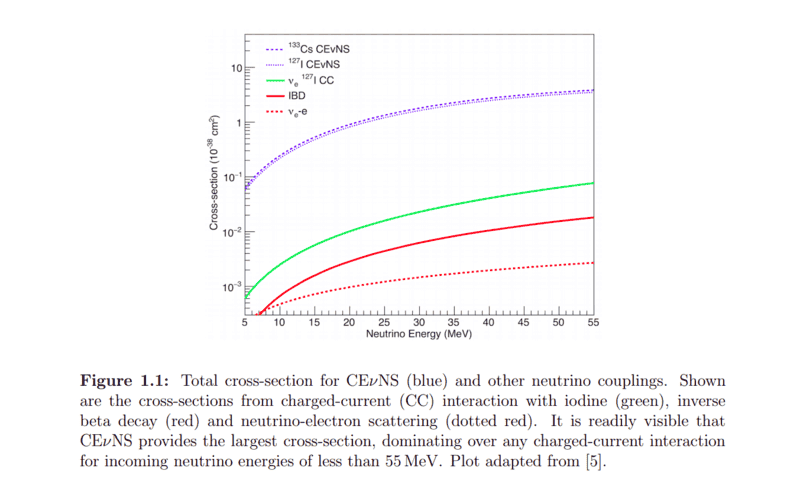
In academic papers, plots are commonly created using software such as ROOT, matplotlib, and gnuplot. ROOT is particularly favored in the field of particle physics for its robust capabilities in data visualization. Python's matplotlib library is also widely used for various types of plots, while gnuplot serves as a versatile tool for generating high-quality graphs. Each of these software options provides unique features suitable for different plotting needs.
PREREQUISITES
- Familiarity with ROOT for particle physics data visualization
- Understanding of Python programming and matplotlib for creating plots
- Knowledge of gnuplot for generating graphical representations
- Basic concepts of data analysis and visualization techniques
NEXT STEPS
- Explore ROOT documentation for advanced plotting techniques in particle physics
- Learn how to use matplotlib for creating customizable plots in Python
- Investigate gnuplot's scripting capabilities for automated plot generation
- Study best practices for data visualization in academic research
USEFUL FOR
Researchers, physicists, and data analysts looking to enhance their skills in creating and understanding plots in academic papers.