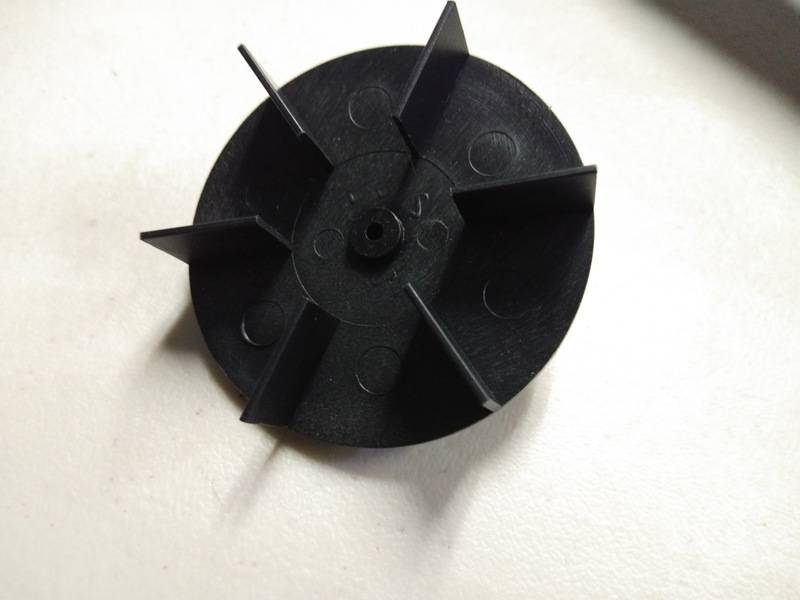
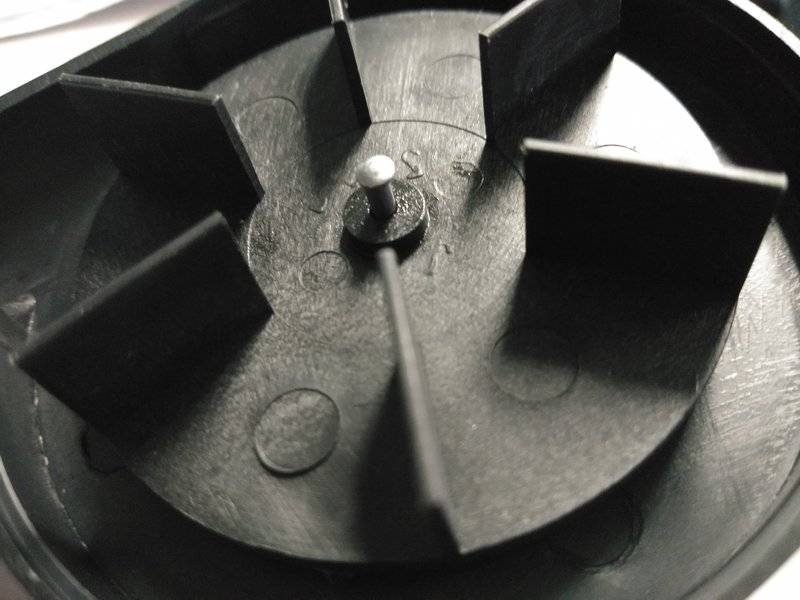
Winding Direction Consideration (Proper Winding)

Click For Summary

Discussion Overview

The discussion revolves around the construction and winding techniques of a hand crank generator, specifically focusing on how different winding directions may affect the magnetic field and overall functionality of the generator. Participants explore various methods of winding coils and their implications for generating electricity.

Discussion Character

  • Exploratory
  • Technical explanation
  • Debate/contested
  • Homework-related

Main Points Raised

  • One participant expresses curiosity about the winding directions of coils and how they might affect the magnetic field, proposing several winding methods.
  • Another participant questions the definition of success for the project, suggesting that lighting an LED or measuring voltage could be goals.
  • A participant mentions the increasing difficulty of the project as power requirements rise and suggests measuring performance as an important aspect.
  • Concerns are raised about whether magnetic fields cancel out when coils are wound in different directions, with one participant asserting that the winding method does not significantly affect the outcome as long as all turns go in the same direction from one end.
  • Faraday's Law is referenced, indicating that voltage is induced in a conductor encircling changing magnetic flux, emphasizing the importance of visualizing magnetic flux in relation to coil design.
  • One participant suggests that using a toroidal coil may not be effective due to a lack of magnetic flux flowing through its center.
  • A suggestion is made to purchase a similar device to better understand its workings.

Areas of Agreement / Disagreement

Participants express differing views on the impact of winding techniques on magnetic fields, with some asserting that it has little effect while others raise questions about potential drawbacks. The discussion remains unresolved regarding the best approach to winding and its implications for generator performance.

Contextual Notes

Participants have not reached a consensus on the optimal winding method or its effects on magnetic fields. There are also unresolved questions regarding the practical implementation of the proposed designs and their effectiveness.

Who May Find This Useful

Individuals interested in DIY electronics, hand crank generators, and those exploring the principles of electromagnetism may find this discussion beneficial.

mheruian
Messages
7
Reaction score
1
Hello,

I'm boy who suddenly been strucked by curiosity on how hand crank generator works and i watch and read some of how to create one, specially this one on youtube:


and i want to create one but i don't have a 3D printer, but i saw some alternative but as i do/design my own coil based on what i watched and read, it came to my mind how many winding works. I understand straight-forward winding from left to right but these where the two things that many videos and tutorials didn't mention about:

1) starting left to right then after reaching end of the core, right to left winding
2) starting left to right then after reaching end of the core, jump to left to wind right again
3) starting left to right but before reaching right, a lot of times doing right to left then left to right then right to left and left to right until reaching end of the core.

- doesn't these effect the direction of magnetic field, etc? any drawbacks or setbacks with these?
also, images below show what I am doing, please help me if this thing would work or not. No one around here could help me with this kind of stuffs personally :sorry:
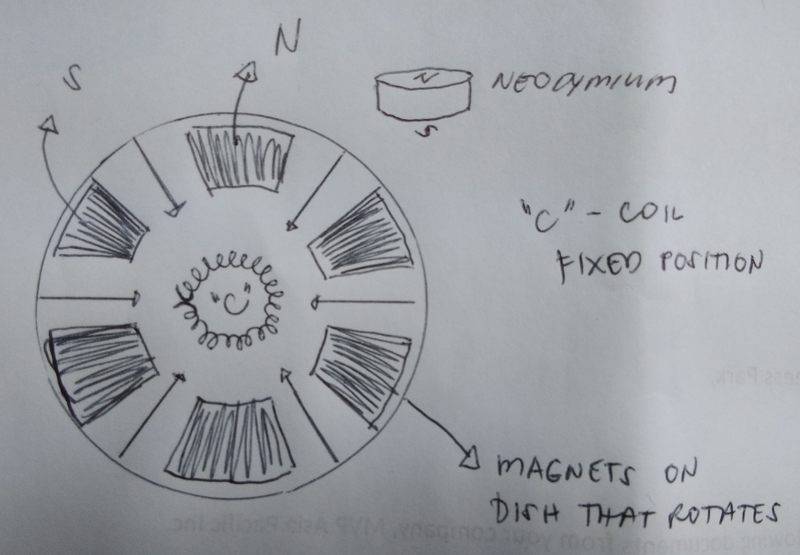
qJiaA2I.jpg


The coil will be like the toroidals so windings will be upright horizontal in circle.
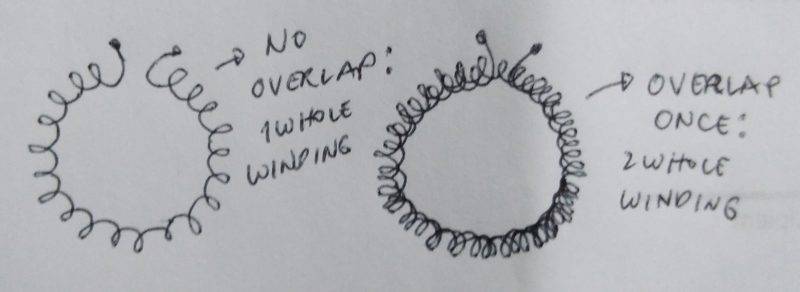
EQsZmeb.jpg

a7K4qn9.jpg

Above where the questions i want to know
And if the image below can be done using coil winded up vertically instead the toroidal
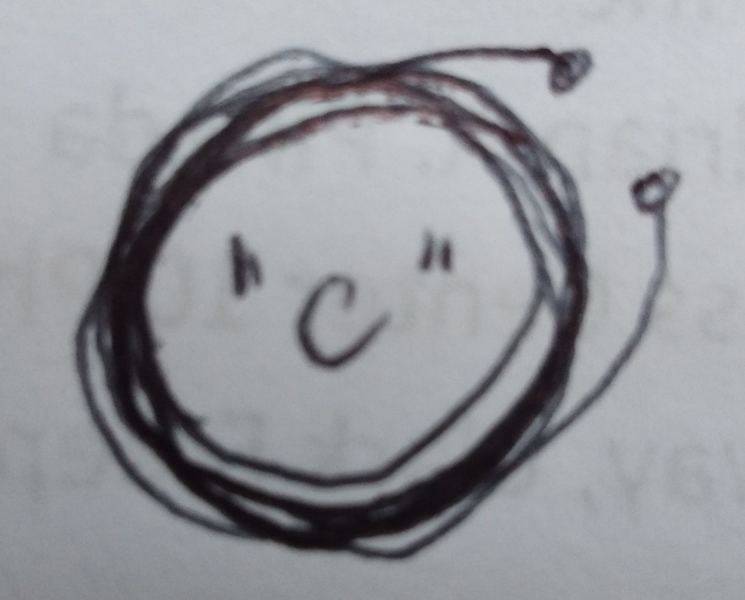
HyqHhfv.jpg


My setup:

o9NaGCq.jpg


where i will place my toroidal winding (2mm plastic core at the center)
I1bfi7J.jpg

QK4GfkW.jpg


Thanks for those who would help :sorry: I'm not a genius but i want to learn and have fun.
 

Attachments

  • qJiaA2I.jpg
    qJiaA2I.jpg
    38.6 KB · Views: 619
  • EQsZmeb.jpg
    EQsZmeb.jpg
    20.6 KB · Views: 676
  • a7K4qn9.jpg
    a7K4qn9.jpg
    36.9 KB · Views: 740
  • HyqHhfv.jpg
    HyqHhfv.jpg
    28.5 KB · Views: 644
  • o9NaGCq.jpg
    o9NaGCq.jpg
    27.5 KB · Views: 767
  • I1bfi7J.jpg
    I1bfi7J.jpg
    29.3 KB · Views: 701
  • QK4GfkW.jpg
    QK4GfkW.jpg
    49.2 KB · Views: 682
Engineering news on Phys.org
Great project. There are several members who can help.

First, let me ask. What is your definition of success for your project? Perhaps to light a LED light? Measure a voltage on a voltmeter?
 
  • Like
Likes   Reactions: mheruian
anorlunda said:
Great project. There are several members who can help.

First, let me ask. What is your definition of success for your project? Perhaps to light a LED light? Measure a voltage on a voltmeter?

Hi Mr. anorlunda,

Thanks a lot for the reply :woot: to light an LED is great but i want it to be a charger in the future like using the super capacitor, bridge rectifiers and charging circuit (android, iphone, etc. 5v devices). I ordered online neodymium magnets that are 10mm in diameter 4mm in height as well the coils so for now so i can't measure its voltage, i am at designing while waiting for my orders. I want t verify first before the items comes up for me to know what to do as much as possible.

BTW, the DIY on the youtube video is hand grip activated, mine is rotated by a shaft - because i don't have 3D printer and I'm not good at crafting or sculpting such frame and gear work :sorry:
 
I'm glad I asked because the difficulty goes up rapidly with the amount of power you need.

I like your approach. PF members might also be able to advise you on how to measure the performance of what you have.

How do you plan to rotate the shaft? Perhaps attaching it to a bicycle.
 
  • Like
Likes   Reactions: mheruian
anorlunda said:
I'm glad I asked because the difficulty goes up rapidly with the amount of power you need.

I like your approach. PF members might also be able to advise you on how to measure the performance of what you have.

How do you plan to rotate the shaft? Perhaps attaching it to a bicycle.

Thanks again for the response :D Mr. Anorlunda, i really appreciate it.

uhm for now, i just want it hand crank so by hand. For me, attaching it to a bicycle will be very hard. I'm no mechanic tinker yet hehe.

So what do you think about my 3 questions regarding winding directions? do magnetic fields cancel out when coil is winded stacked up a lot of time from left to right and vice versa? :woot: any technical or theoretical means here?
 
mheruian said:
these where the two things that many videos and tutorials didn't mention about:

1) starting left to right then after reaching end of the core, right to left winding
2) starting left to right then after reaching end of the core, jump to left to wind right again
3) starting left to right but before reaching right, a lot of times doing right to left then left to right then right to left and left to right until reaching end of the core.

- doesn't these effect the direction of magnetic field, etc? any drawbacks or setbacks with these?

No. Those won't have much effect. You could wind the coil random or layered and it won't change things very much at all.
What IS important is that when you view your coil from one end all your turns go the same way, either clockwise or counterclockwise.The first thing to remember is Faraday's Law. It states that voltage will be induced in a conductor(wire) that encircles a changing flux.
That's why in your video they wound their coil on a form and placed a bolt through its center.
Flux leaves the magnet, goes through the center of the coil and returns around its outside back to the magnet.

handcrank_ flashlight.jpg

Since the turns of the coil encircle magnetic flux that changes direction as each magnet passes by they will experience induction, that is they will produce voltage when the wheel turns.

Now if you surround your wheel instead with a toroid there's not really any flux flowing around its middle so you will get voltage only by accident.

So adjust your thinking to visualize first where the magnetic flux goes, then how to make your turns surround it.

I'd suggest you buy one and take it apart to see how it works. Google's first hit for me:
https://www.emergencykits.com/emerg.../led-flashlights/hand-squeeze-led-flashlight/

old jim
 

Attachments

  • handcrank_ flashlight.jpg
    handcrank_ flashlight.jpg
    27.4 KB · Views: 568
  • Like
Likes   Reactions: Asymptotic, berkeman and Tom.G

Similar threads

Replies
4
Views
2K
Replies
2
Views
5K
Replies
14
Views
3K
  • · Replies 2 ·
Replies
2
Views
2K
  • · Replies 39 ·
2
Replies
39
Views
6K
  • · Replies 12 ·
Replies
12
Views
6K
  • · Replies 4 ·
Replies
4
Views
7K
  • · Replies 17 ·
Replies
17
Views
2K
Replies
2
Views
3K
  • · Replies 5 ·
Replies
5
Views
4K