Our Beautiful Universe - Photos and Videos
Join the discussion
Registration is free. Ask a follow-up in this thread, or start your own.
2,450 replies · 334K views
Astronomy news on Phys.org
pinball1970
Gold Member
2025 Award
- 3,887
- 6,216
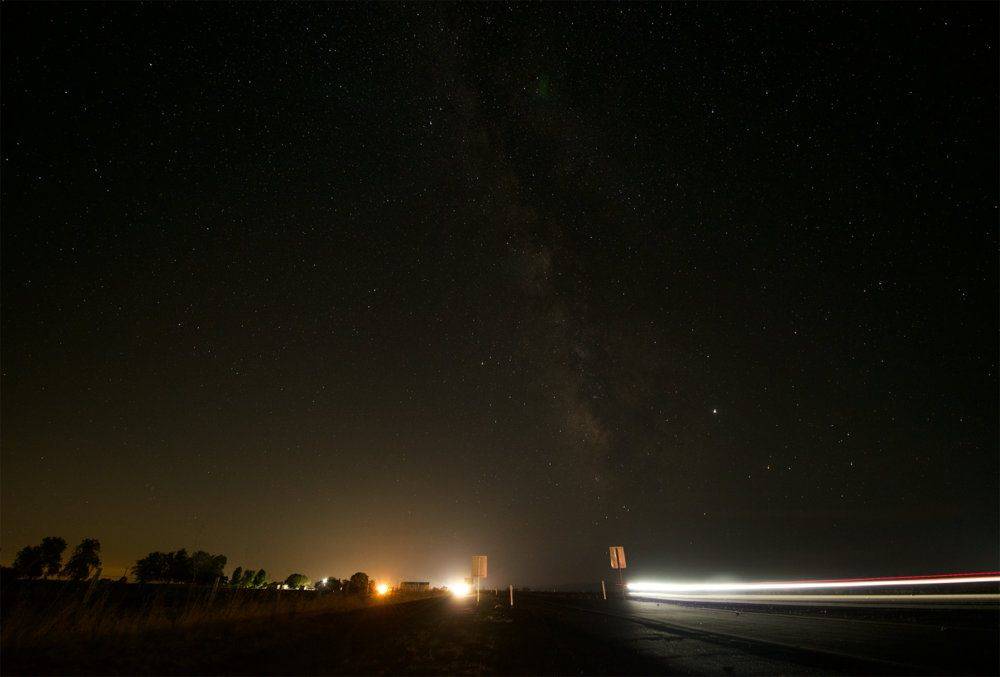
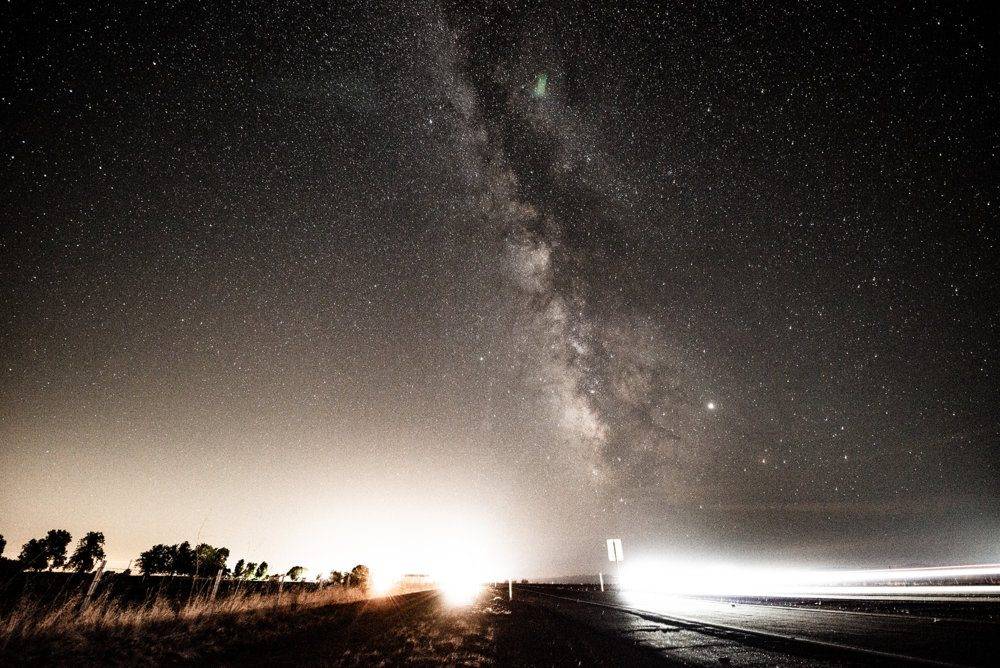
Wow, amazing image.metastable said:~3am, looking southwest about a week ago, about 150miles north of San Francisco, CA USA along Interstate-5, 14mm dslr lens, 2.8f, 2000iso, 10sec, full frame raw
View attachment 246760
View attachment 246761
^Andromeda galaxy is visible close the center of the frame on this one, just to the right of the Milky Way
DennisN
Gold Member
- 2,197
- 10,329
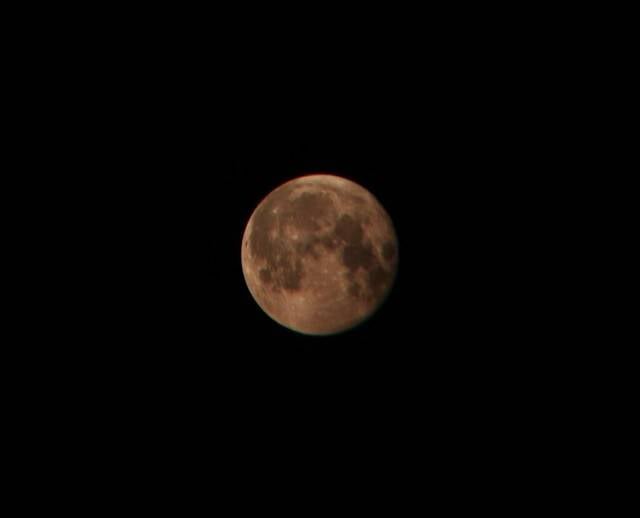
Houston, we've got a full moon, so I took some photos last night with my mobile phone attached to my small miniscope.
ISO 50, 1/200 s exposure, f/1.8, 40 stacked photos with Registax.
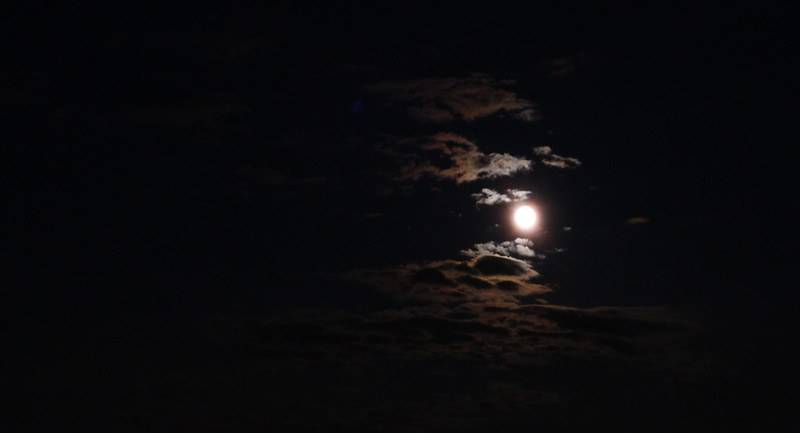
A bright Moon and clouds, ISO 50, 1 s exposure, f/1.8
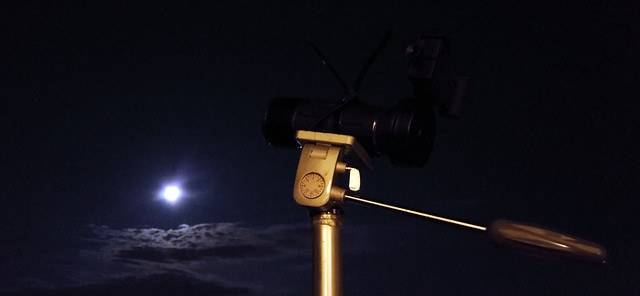
My miniscope and a bright Moon in the sky:
ISO 50, 1/200 s exposure, f/1.8, 40 stacked photos with Registax.
A bright Moon and clouds, ISO 50, 1 s exposure, f/1.8
My miniscope and a bright Moon in the sky:
metastable
- 514
- 53
davenn said:Thankyou for sharing
bonus (nikon d800 w/ nikon 14-24mm lens @ 14mm, 2.8f, 2000iso, 10sec, raw capture, looking south along I-5 ~150miles north of san francisco, california):pinball1970 said:Wow, amazing image.
pinball1970
Gold Member
2025 Award
- 3,887
- 6,216
The top image has a slightly brown hue to it, a little bit of dust pollution in the atmosphere?DennisN said:Houston, we've got a full moon, so I took some photos last night with my mobile phone attached to my small miniscope.
ISO 50, 1/200 s exposure, f/1.8, 40 stacked photos with Registax.
View attachment 246784
A bright Moon and clouds, ISO 50, 1 s exposure, f/1.8
View attachment 246785
My miniscope and a bright Moon in the sky:
View attachment 246786
DennisN
Gold Member
- 2,197
- 10,329
Houston, we've got a brown full Moon!pinball1970 said:The top image has a slightly brown hue to it, a little bit of dust pollution in the atmosphere?

I think it is due to the fast exposure and low ISO (image sensor sensitivity), which makes it darker. And the hue probably also got changed in the photo above, since I increased the constrast in the photo editor.
Here is one of the original photos with ISO 50, 1/200 s exposure:
Comparison with another photo with ISO 50, 1/100 s exposure:
And another photo with ISO 50, 1/30 s exposure:
(and here it gets so bright that fewer details are visible)
Last edited:
pinball1970
Gold Member
2025 Award
- 3,887
- 6,216
Interesting, the bottom image is a blue moon compared to the one above so more exposure? I rarely take notice of all the kit and technology I am too busy looking at the great images.DennisN said:Houston, we've got a brown full Moon!
I think it is due to the fast exposure and low ISO (image sensor sensitivity), which makes it darker. And the hue probably also got changed in the photo above, since I increased the constrast in the photo editor.
Here is one of the original photos with ISO 50, 1/200 s exposure:
View attachment 246817
Comparison with another photo with ISO 50, 1/100 s exposure:
View attachment 246818
And another photo with ISO 50, 1/30 s exposure:
(and here it gets so bright that fewer details are visible)
View attachment 246819
pinball1970
Gold Member
2025 Award
- 3,887
- 6,216
Sorry yes #543davenn said:You see blue in there ??
edit
Ohhh, I assume you mean his earlier post, the one with the tripod in it ?
metastable
- 514
- 53
pinball1970 said:Interesting, the bottom image is a blue moon compared to the one above so more exposure?
I think each image can be as blue or yellow as one decides based on the camera/raw processing color temperature setting...
pinball1970
Gold Member
2025 Award
- 3,887
- 6,216
I hope to join you guys with some images, when I am back off holiday I am going to try out my (rather cheap) telescope.metastable said:I think each image can be as blue or yellow as one decides based on the camera/raw processing color temperature setting...
View attachment 246821
So temp, do you mean CCT? Of your 'white/standard white?' or do you do this to add colour to your white light images? For aesthetics ?
Science Advisor
Gold Member
- 9,747
- 11,967
Yes, but straight out of camera and they will look bluish for a wide field of the moon.metastable said:I think each image can be as blue or yellow as one decides based on the camera/raw processing color temperature setting...
Plus those image with a phone camera, so unlikely to be a RAW file, just a good ol xxx.jpg
 Dave
Dave
metastable
- 514
- 53
As far as I know every digital slr will choose a white balance / color temperature setting for you automatically unless you choose one manually, or by capturing the raw sensor data (RAW format, which has a much larger color space than the JPG format), and then choosing the setting before applying the conversion settings to the final presentation jpg format. doing the raw processing this way let's you decide all of the conversion settings, rather than the camera choosing what color data to "throw away" when downsizing/compressing to JPG.pinball1970 said:So temp, do you mean CCT? Of your 'white/standard white?' or do you do this to add colour to your white light images? For aesthetics ?
metastable
- 514
- 53
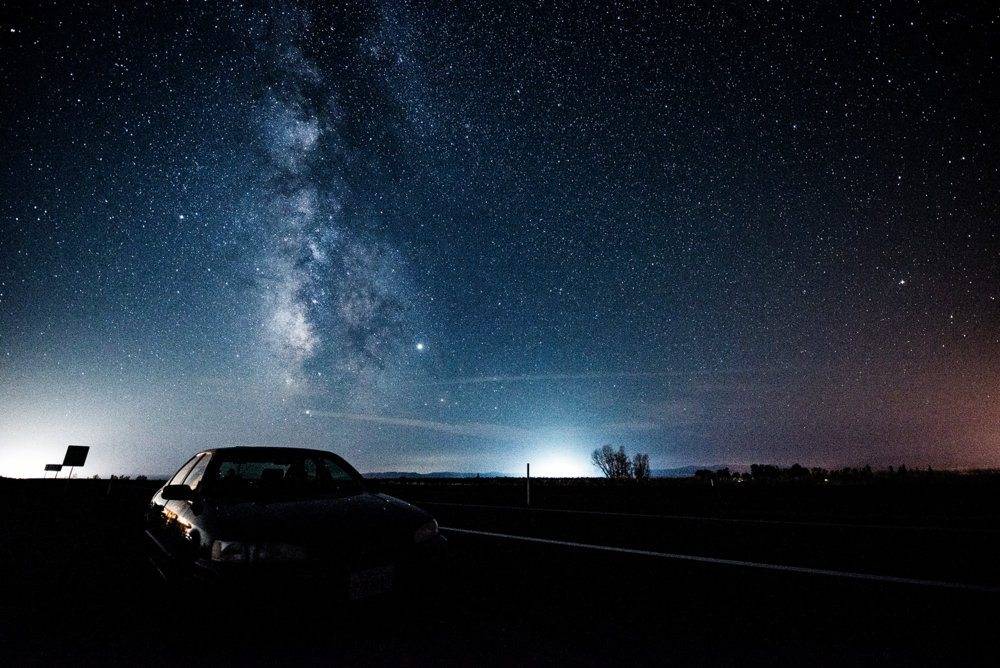
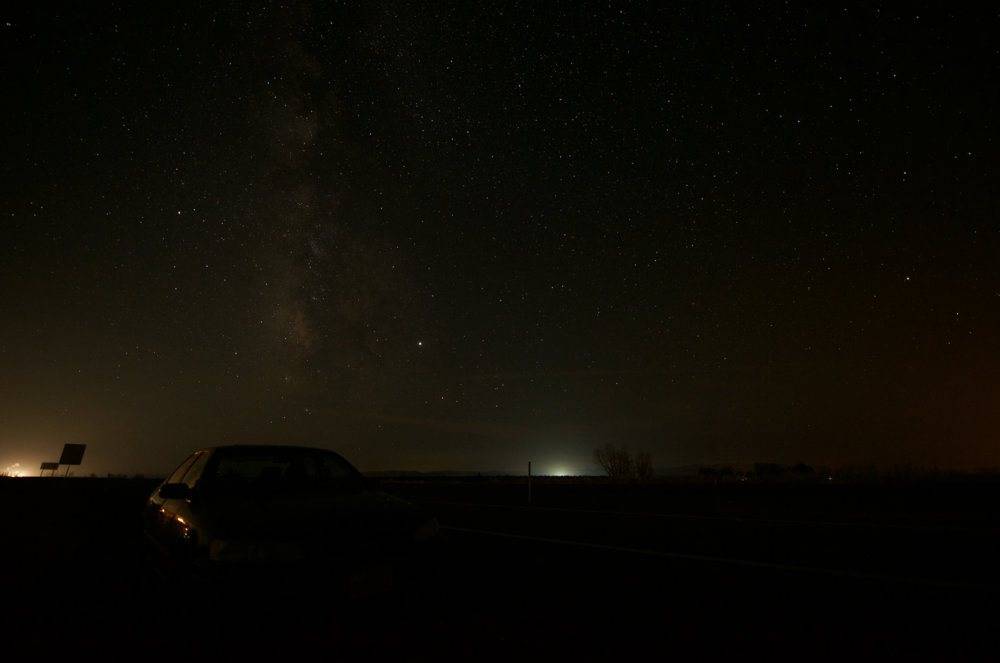
here's a screen shot of the RAW file:
presentation JPG:
presentation JPG:
pinball1970
Gold Member
2025 Award
- 3,887
- 6,216
Ok thanks, best way to learn is to get some images and have a go I think. I think I may have a few questions for you guys once I get started.metastable said:As far as I know every digital slr will choose a white balance / color temperature setting for you automatically unless you choose one manually, or by capturing the raw sensor data (RAW format, which has a much larger color space than the JPG format), and then choosing the setting before applying the conversion settings to the final presentation jpg format. doing the raw processing this way let's you decide all of the conversion settings, rather than the camera choosing what color data to "throw away" when downsizing/compressing to JPG.
metastable
- 514
- 53
Here is a list I found of reasons to shoot in RAW mode instead of JPEG...
https://photographyconcentrate.com/10-reasons-why-you-should-be-shooting-raw/
I took a screenshot of the reason I personally view as most important...
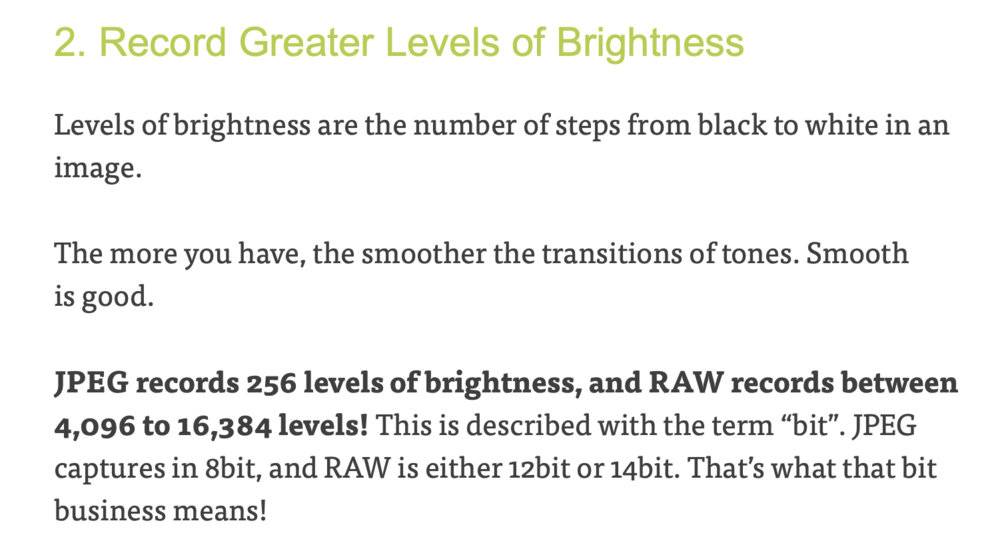
^the reference to "levels of brightness" refers to "per channel" or "per color," so 256 "levels of brightness" with a JPEG means only 256 R, 256 G, 256 B, as opposed to 4096 or 16384 in RAW.
I personally find this means in practice the RAW file contains a lot of "hidden" information in the shadow areas of the image (compared to a JPG)... information which would ordinarily be lost if the RAW had been converted to a JPG with "standard" conversion settings.
https://photographyconcentrate.com/10-reasons-why-you-should-be-shooting-raw/
I took a screenshot of the reason I personally view as most important...
^the reference to "levels of brightness" refers to "per channel" or "per color," so 256 "levels of brightness" with a JPEG means only 256 R, 256 G, 256 B, as opposed to 4096 or 16384 in RAW.
I personally find this means in practice the RAW file contains a lot of "hidden" information in the shadow areas of the image (compared to a JPG)... information which would ordinarily be lost if the RAW had been converted to a JPG with "standard" conversion settings.
Last edited:
DennisN
Gold Member
- 2,197
- 10,329
Yes, the photos were taken as .jpg, but I can actually take RAW photos too with my LG G4 phone (and the camera is pretty impressive for being on a phone). I will try RAW next time!davenn said:Plus those image with a phone camera, so unlikely to be a RAW file, just a good ol xxx.jpg
Thanks for the inspiration, @metastable, I will try photographing in RAW next time!metastable said:As far as I know every digital slr will choose a white balance / color temperature setting for you automatically unless you choose one manually, or by capturing the raw sensor data (RAW format, which has a much larger color space than the JPG format), and then choosing the setting before applying the conversion settings to the final presentation jpg format. doing the raw processing this way let's you decide all of the conversion settings, rather than the camera choosing what color data to "throw away" when downsizing/compressing to JPG.
metastable
- 514
- 53
By the way the RAW to JPG conversion in my photos was done with Adobe Lightroom.
Science Advisor
Gold Member
- 9,747
- 11,967
The huge advantage with processing RAW over jpg is that there is no compression with RAW files.DennisN said:Yes, the photos were taken as .jpg, but I can actually take RAW photos too with my LG G4 phone (and the camera is pretty impressive for being on a phone). I will try RAW next time!
This means that they will handle substantial processing without being further corrupted.
JPG's are already significantly compressed and full of those compression artifacts, so doing editing
on them only worsens the artifacts in the image.Dave
bruha
- 395
- 532
Hi I attach some Gimp processed image of the moon . On image nr.0007G2 is possible to see crater with middle peak (I suppose ) on right border of siluette in dark area. Yesterday I was trying catch saturn by my PC CAM Bresser Ful HD but without succes-maybe sensitivity (gain) is to low for Saturn. Lot of succes 
Attachments


Science Advisor
Gold Member
- 9,747
- 11,967
bruha said:On image nr.0007G2 is possible to see crater with middle peak (I suppose ) on right border of siluette in dark area
yup good imaging there ... good to see the improvements you are making
Yes, I can see several craters that have central peaks Dave
DennisN
Gold Member
- 2,197
- 10,329
A very nice timelapse video of the total solar eclipse in Argentina on July 2 2019:
bruha
- 395
- 532
Hi I attach just for interest my last attempt of Jupiter and Saturn by compact SONY automat (not suficient -there is recognizable just Jupiter moons but Saturn )
)Attachments


bruha
- 395
- 532


- 7,832
- 4,174
Skies cleared up for a few days, giving a moonless night and views of the Veil nebula, which just barely fits within a 400mm lens field of view:
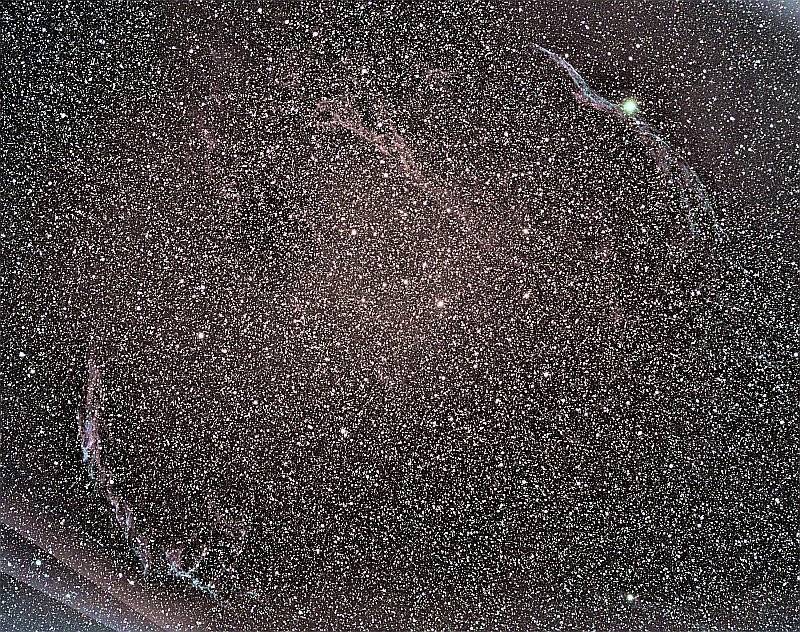
Some crops of the various parts:
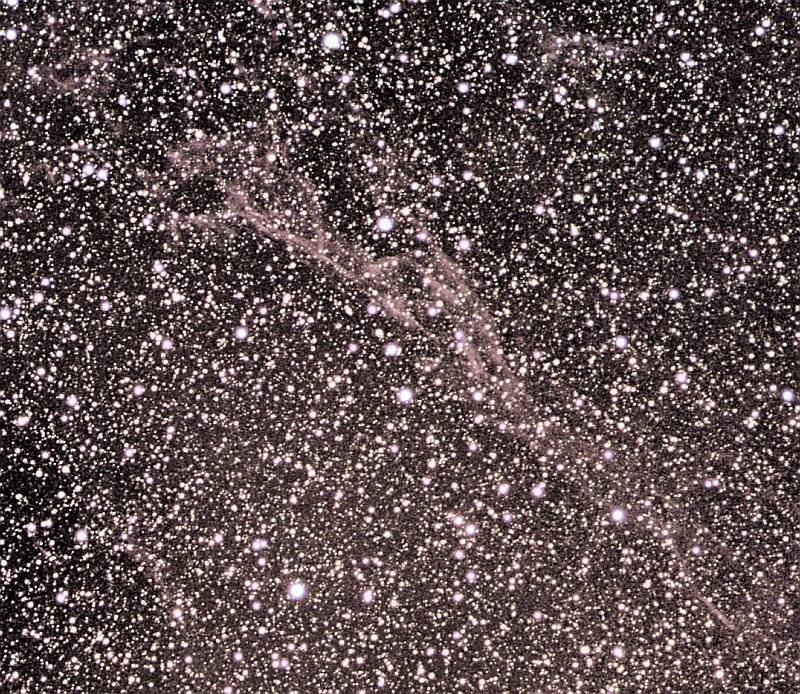
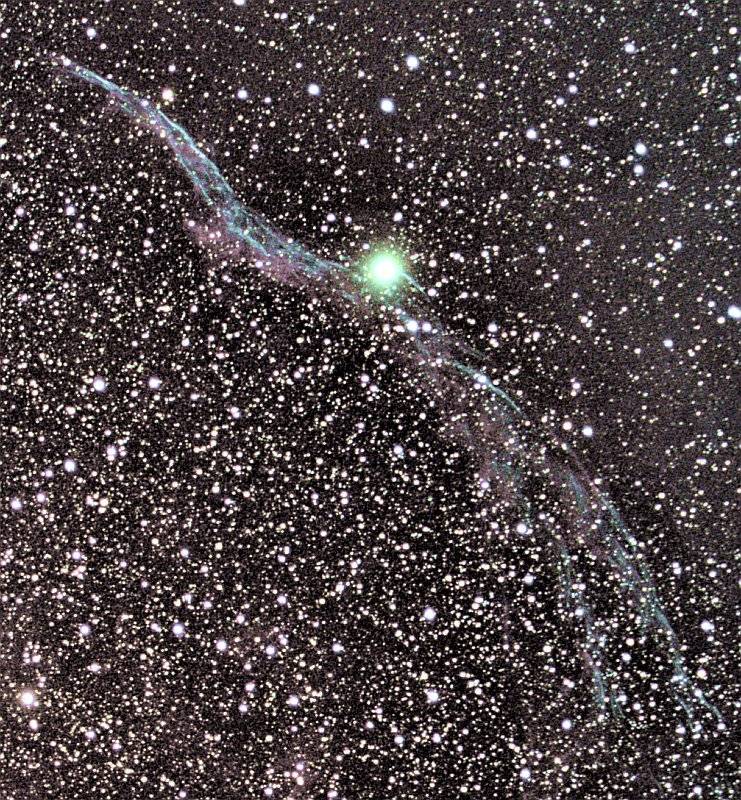
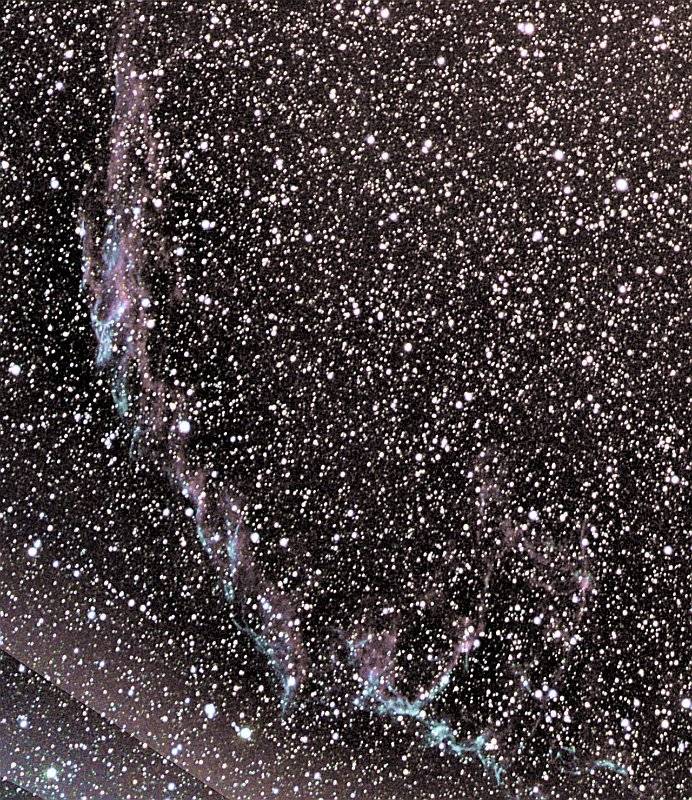
400/2.8 lens, 13-second exposures @ ISO 1250.
Some crops of the various parts:
400/2.8 lens, 13-second exposures @ ISO 1250.
bruha
- 395
- 532
Hi, it is absolutely amazing.. (you can get place without light pollution?)

- 7,832
- 4,174
Thanks! No, light pollution is very much present- unaided, I can only see stars down to about magnitude 4.bruha said:Hi, it is absolutely amazing.. (you can get place without light pollution?)
bruha
- 395
- 532
Aha, it is similar like here in Prague (little beter in countryside) . Which parameters has your telescope...?
thank you
thank you
metastable
- 514
- 53
If I had to guess I'd say you achieved this result with some artfully chosen RAW->JPG conversion settings.Andy Resnick said:Thanks! No, light pollution is very much present- unaided, I can only see stars down to about magnitude 4.
- 7,832
- 4,174
metastable said:If I had to guess I'd say you achieved this result with some artfully chosen RAW->JPG conversion settings.
There was not a single RAW -> jpg conversion, but it implicitly occurred via 300+ RAW -> stacked TIFF -> jpg.