
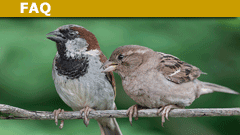
How Evolution Works: Variation, Inheritance, Selection
Evolution is the process by which populations of organisms change over generations through three interacting mechanisms: random genetic variation, inheritance of traits from parents to offspring, and natural selection, which favors traits that improve survival and reproduction in a given environment. Over long timescales, these mechanisms can cause populations to diverge into new species or go extinct.
Table of Contents
Key Takeaways
- Evolution depends on three components acting together: random variation, genetic inheritance, and natural selection.
- Genetic variation arises mainly from two sources: the reshuffling of alleles during sexual reproduction and random DNA mutations.
- A dominant allele is expressed whenever at least one copy is present, while a recessive allele is only expressed when both inherited copies are recessive.
- Widespread antibiotic use is a documented example of an environmental pressure that selects for resistant bacterial strains.
- Natural selection has no end goal; it favors incremental advantages or neutral traits within a specific environment rather than producing a “perfect” organism.
- Additional processes beyond natural selection, including genetic drift, gene flow, and sexual selection, also shape how populations change over time.
Why Does Evolution Matter?
The theory of evolution ranks among the most significant conceptual advances in science, alongside Newtonian physics, Einstein’s theory of relativity, quantum mechanics, and the discovery of DNA’s structure. Unlike relativity, which led directly to technologies such as nuclear power, or genetics, which enabled applications like gene therapy and genetically modified crops, evolution’s impact is primarily explanatory rather than immediately technological.
Evolution provides a scientific framework for questions long addressed by philosophy and religion, including why life exists, how it arose, and where it may be headed. Patterns observed in nature, such as fossil sequences and shared anatomical structures, offer testable explanations for these questions rather than relying on myth or speculation.
Evolutionary theory also underpins progress in microbiology, immunology, and genetics by replacing mystical explanations with mechanisms that can be tested and applied. Many advances in medicine and public health rely on an evolutionary understanding of organisms, pathogens, and genomes.
How Does Evolution Happen?
Evolution requires three components working together: random variation, genetic inheritance, and natural selection. These components interact across generations to change how common certain traits are within a population and, over long periods, can produce entirely new species.
1. Random Variation
Individuals within any species display variation. Some differences come from environmental factors, such as illness or nutrition, while others are genetic. Two primary genetic sources of variation exist: the reshuffling of existing genes during sexual reproduction, and random mutations.
During sexual reproduction, alleles (different versions of the same gene) mix so that offspring receive one allele from each parent, producing new trait combinations. This reshuffling alone generates genetic diversity within a population, independent of any new mutations.
Mutations are random changes in DNA that occur during cell division or as a result of chemical exposure or radiation. Most mutations are neutral or harmful and are either repaired or eliminated; some cause disease, including certain cancers, while a smaller number prove beneficial. When mutations occur in gametes (sperm or eggs), they can be passed to offspring and introduce new genetic variants into the population’s gene pool.
2. Genetic Inheritance
Genetic inheritance is the mechanism that passes variation from parents to offspring. Genes occur in pairs, with one copy inherited from each parent. Alleles can be dominant or recessive: a dominant allele is expressed whenever at least one copy is present, while a recessive allele is expressed only when both inherited copies are recessive.
For example, if allele A is dominant and allele b is recessive, the following combinations determine which trait appears:
| Allele Pair | Trait Expressed |
|---|---|
| AA | Determined by allele A |
| bb | Determined by allele b |
| Ab | Determined by allele A |
Because sexual reproduction combines half the alleles from each parent, offspring inherit a unique genetic mix. Recessive alleles can remain hidden in carriers for generations and reappear later, which influences how traits spread through a population over time.
3. Natural Selection
Natural selection is a non-random process that changes how common certain traits are based on differences in survival and reproduction. Organisms compete for limited resources, including territory, food, and mates, and those with traits that provide an advantage are more likely to survive and reproduce.
Widespread use of antibiotics has selected for resistant strains of bacteria, illustrating how environmental pressures can shift which traits are advantageous within a population. Other pressures, including weather changes, new diseases, and predators, can produce similar effects. Over generations, traits that improve survival become more common, neutral traits remain roughly stable, and disadvantageous traits decline.
Natural selection has no final goal or endpoint. It favors incremental advantages, or simple neutrality, within a given environment rather than progressing toward any fixed notion of perfection.
From Variation to New Species
Evolution is the cumulative effect of random mutations and genetic recombination, passed down through inheritance and filtered by natural selection along with other processes such as genetic drift, gene flow, and sexual selection. Over long timescales, these combined processes can cause populations to diverge into new species or lead to extinction when a lineage fails to adapt.
Although chance plays a role in the underlying processes, the resulting patterns, including fossil sequences, shared anatomical structures, and genetic similarities across species, provide strong evidence that evolution is the historical process responsible for Earth’s biodiversity. Further detail on this evidence is available in the article Five Pieces of Evidence for Evolution, and background on the underlying theory is covered in Evolution: Frequently Asked Questions.
Glossary
- Allele — one of two or more versions of the same gene, inherited one copy from each parent.
- Dominant allele — an allele that is expressed in an organism’s traits whenever at least one copy is present.
- Recessive allele — an allele that is only expressed when both inherited copies are recessive.
- Mutation — a random change in DNA sequence, occurring during cell division or from chemical or radiation exposure.
- Natural selection — the non-random process by which traits that improve survival and reproduction become more common in a population over generations.
- Genetic drift — random changes in how common a trait is within a population, unrelated to that trait’s survival advantage.
- Gene flow — the transfer of genetic variation between populations, typically through migration and interbreeding.
Frequently Asked Questions
What are the three main components required for evolution to occur?
Evolution requires random variation, genetic inheritance, and natural selection. Variation supplies the raw material of different traits, inheritance passes those traits from parents to offspring, and natural selection determines which traits become more or less common over successive generations.
What is the difference between a dominant and a recessive allele?
A dominant allele is expressed in an organism’s traits whenever at least one copy is present, while a recessive allele is only expressed when both inherited copies are recessive. A carrier with one dominant and one recessive allele will display the dominant trait, but can still pass the recessive allele to offspring.
Where does genetic variation come from?
Genetic variation arises mainly from two sources: the reshuffling of existing alleles during sexual reproduction, which creates new combinations of parental traits, and random mutations in DNA that occur during cell division or from chemical or radiation exposure.
Does natural selection produce “perfect” organisms?
No. Natural selection has no final goal and does not aim toward perfection. It simply favors traits that provide an incremental survival or reproductive advantage within a specific environment, or allows neutral traits to persist, given the constraints present at the time.
How does antibiotic resistance relate to evolution?
Widespread antibiotic use is an example of an environmental pressure that selects for resistant bacterial strains. Bacteria with mutations that allow them to survive antibiotic exposure are more likely to reproduce, so resistant traits become more common in the bacterial population over successive generations.
What other processes besides natural selection influence evolution?
Genetic drift, gene flow, and sexual selection also shape how populations change over time, alongside natural selection. Genetic drift involves random shifts in trait frequency unrelated to survival advantage, gene flow introduces genetic variation through migration between populations, and sexual selection favors traits linked to mating success.

I have a BS in Information Sciences from UW-Milwaukee. I’ve helped manage Physics Forums for over 22 years. I enjoy learning and discussing new scientific developments. STEM communication and policy are big interests as well. Currently a Sr. SEO Specialist at Shopify and writer at importsem.com



Leave a Reply
Want to join the discussion?Feel free to contribute!